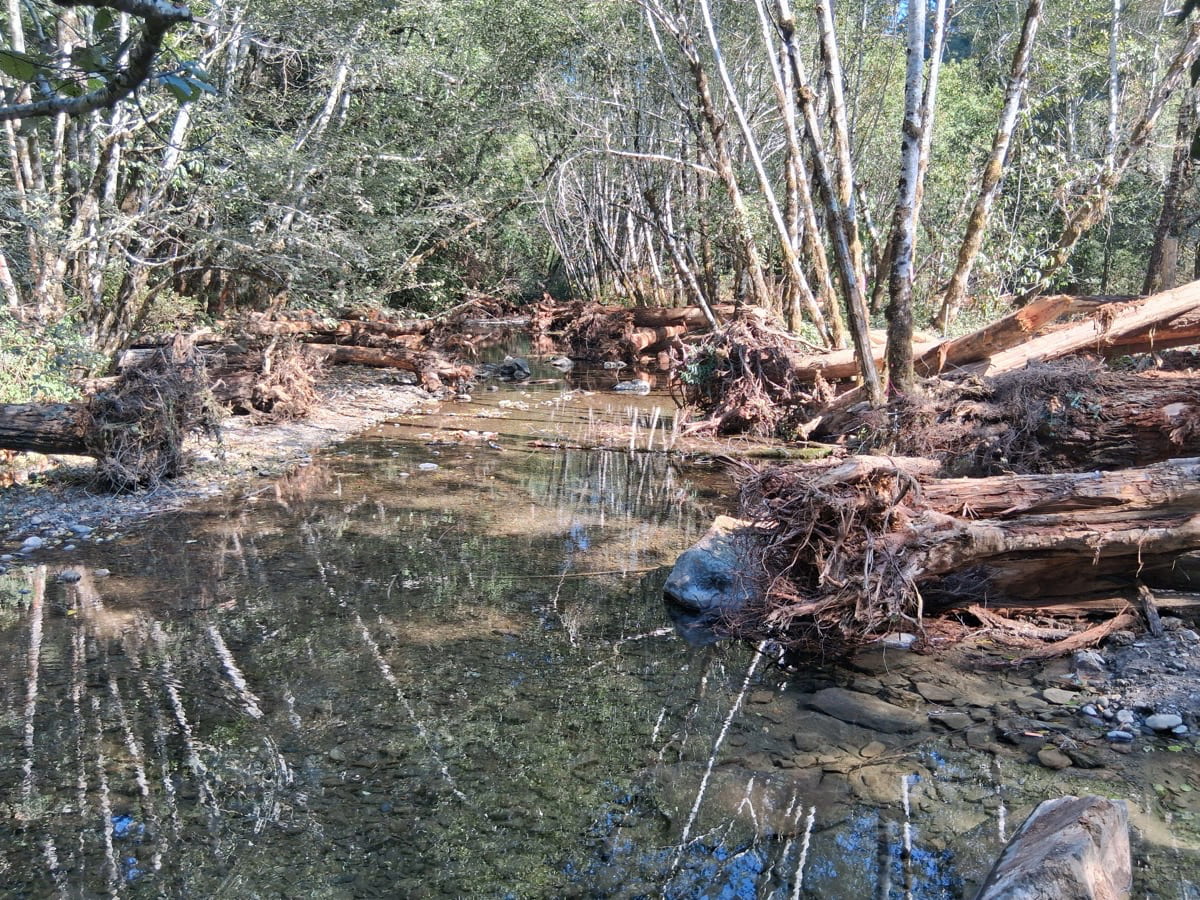
Salmon Creek Estuary, Humboldt Bay National Wildlife Refuge
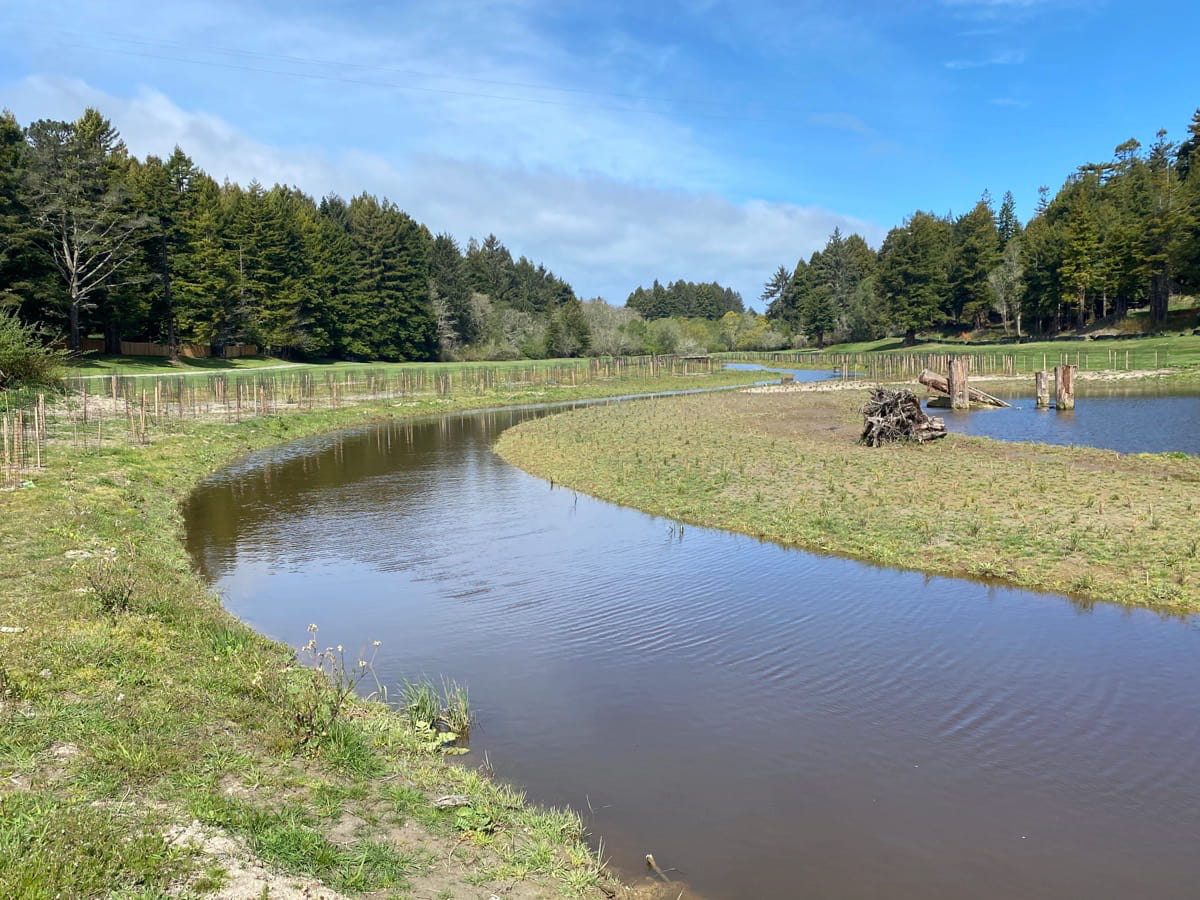
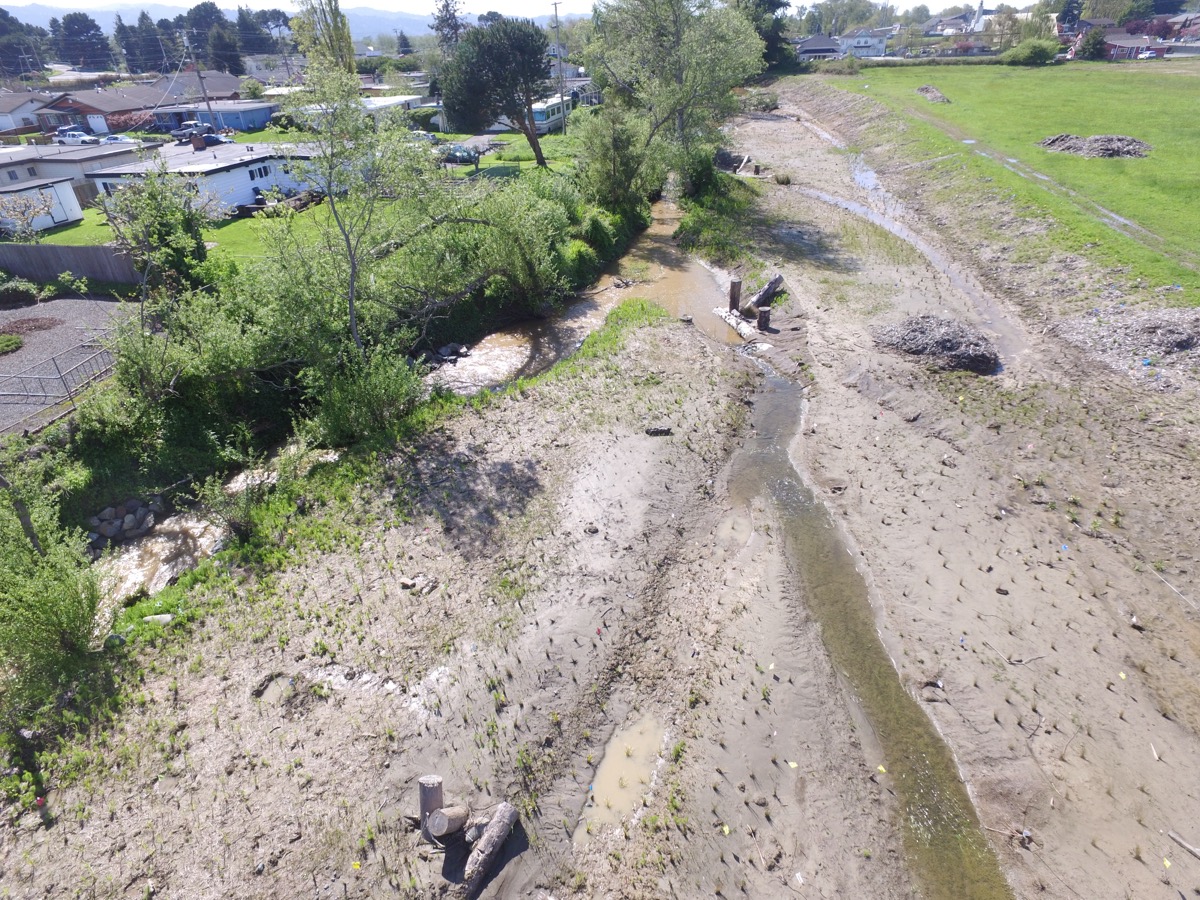
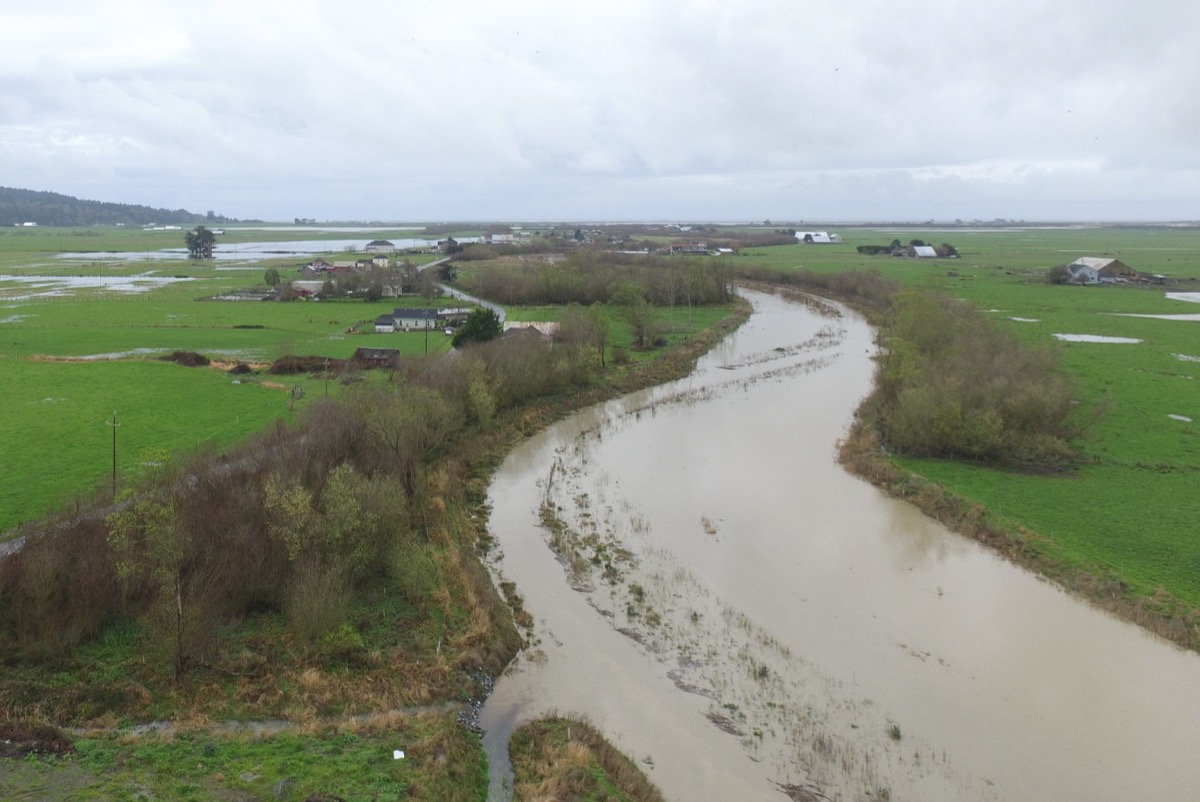
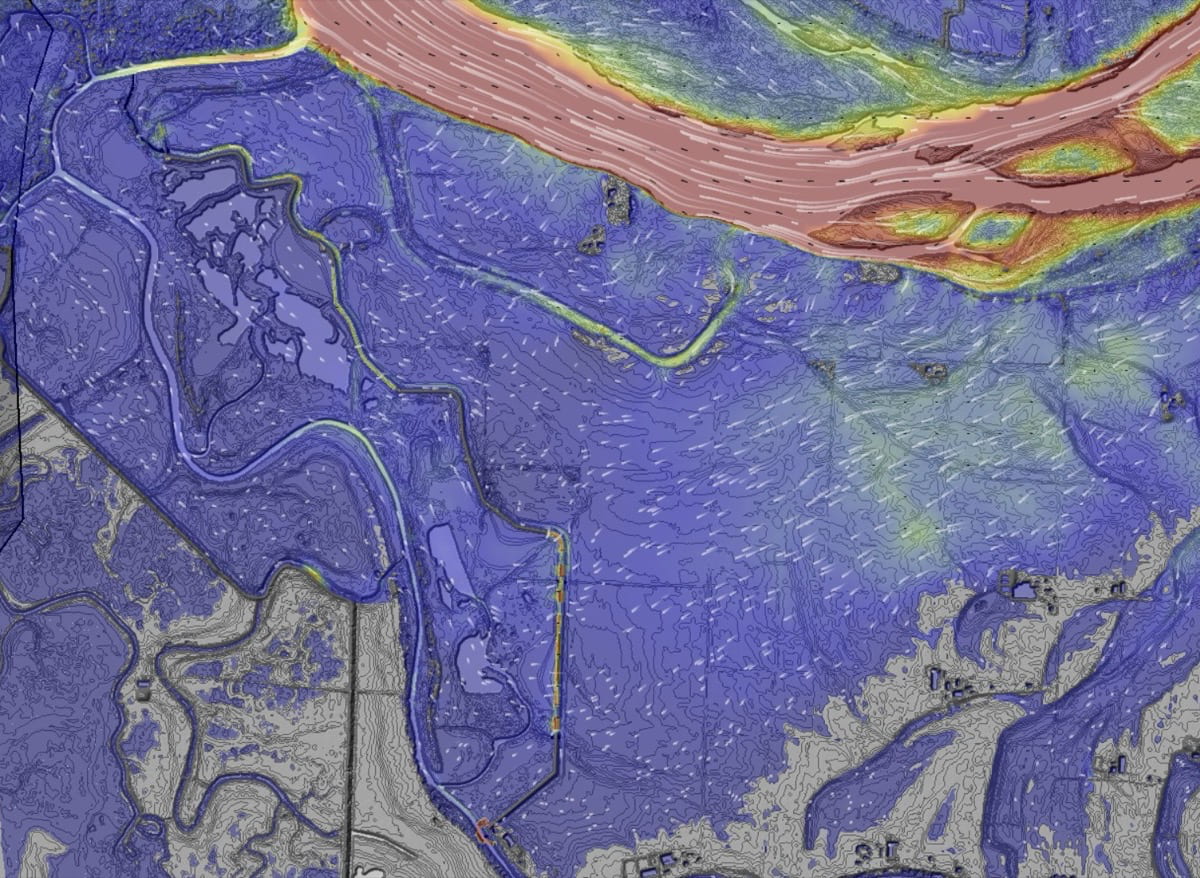
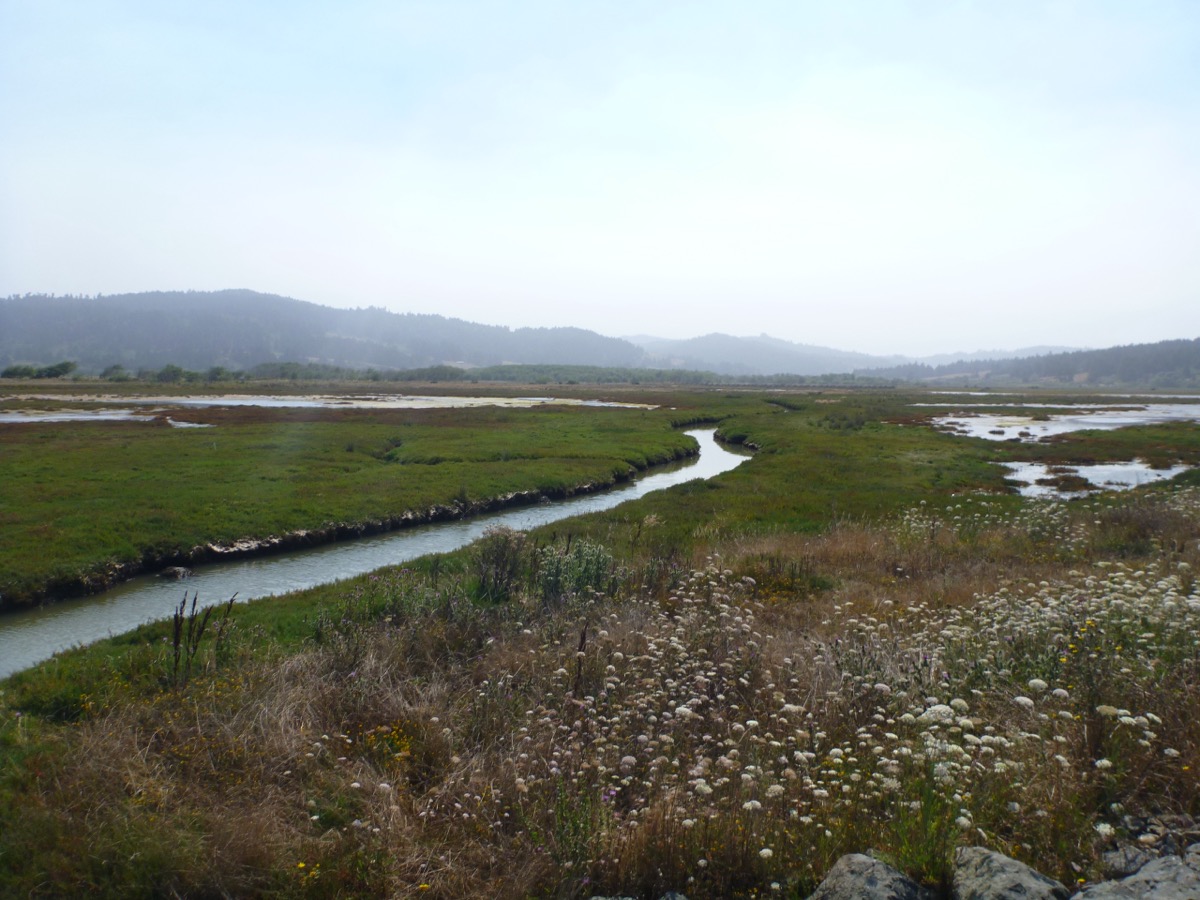
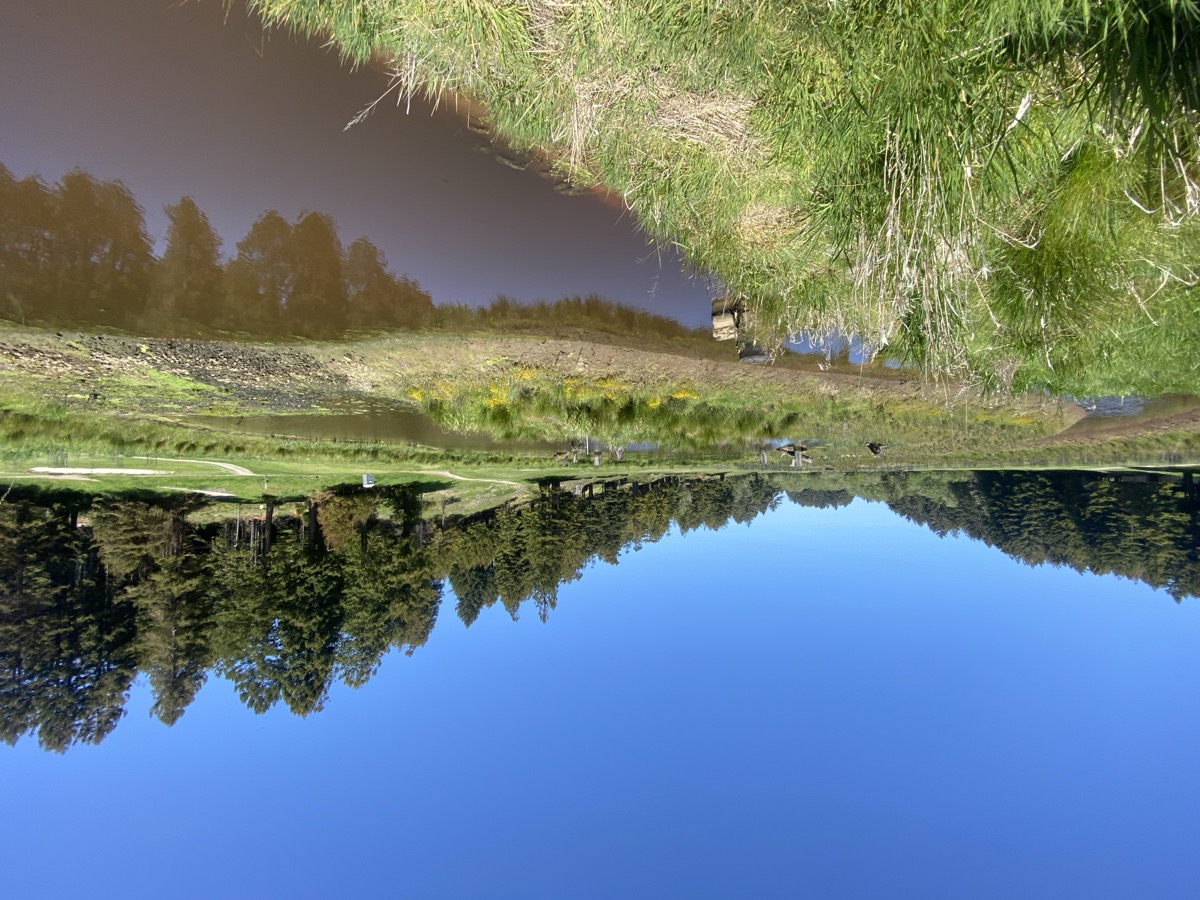
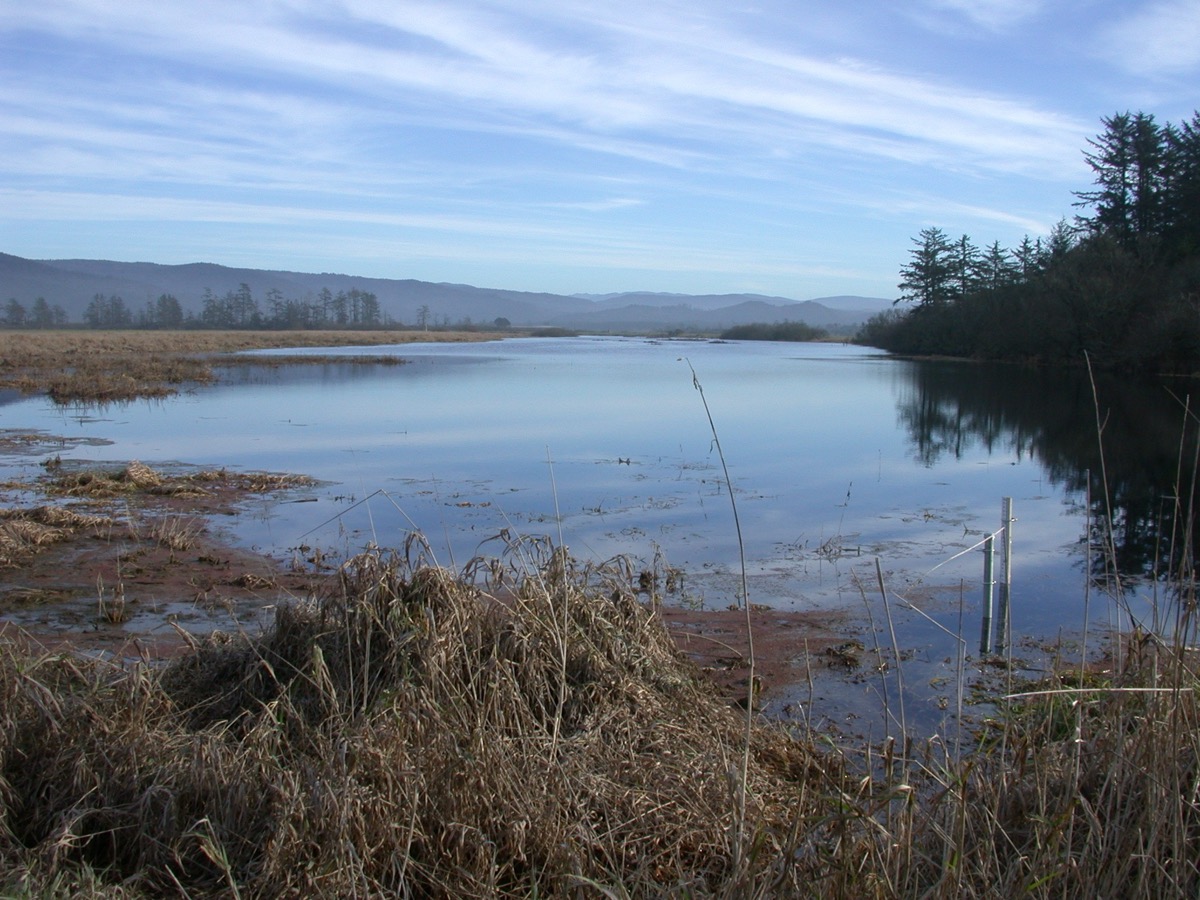
Creating a muted tidal system and constructing new slough channels, salt marsh, and backwater habitats behind existing levees to establish a functioning estuary.

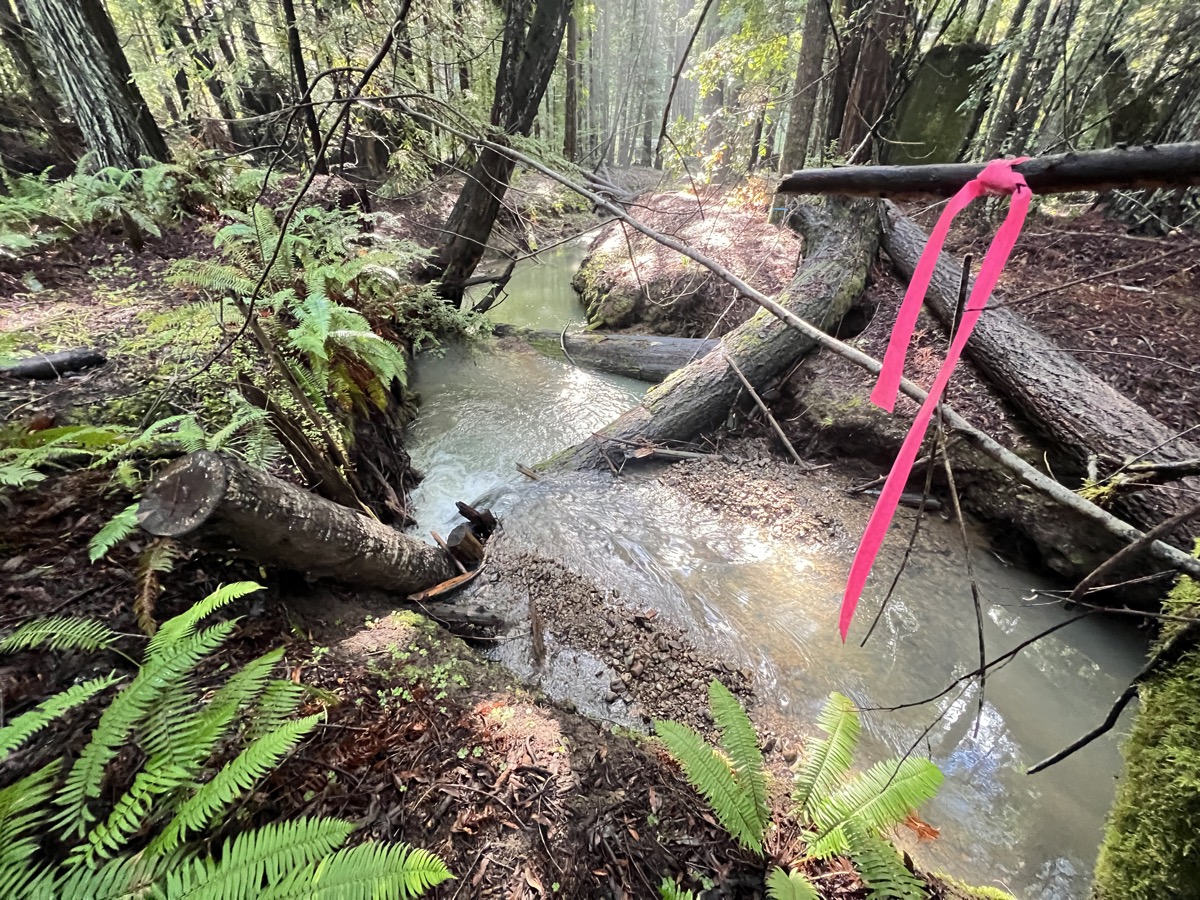
Woodacre Creek, Lagunitas Creek Watershed, CA
A geomorphic-based roughened channel eliminated the nearly five foot drop at this box culvert to improve upstream passage for adult and juvenile coho while providing pools for over-summering habitat.

Casper Creek Experimental Forest, Fort Bragg, CA
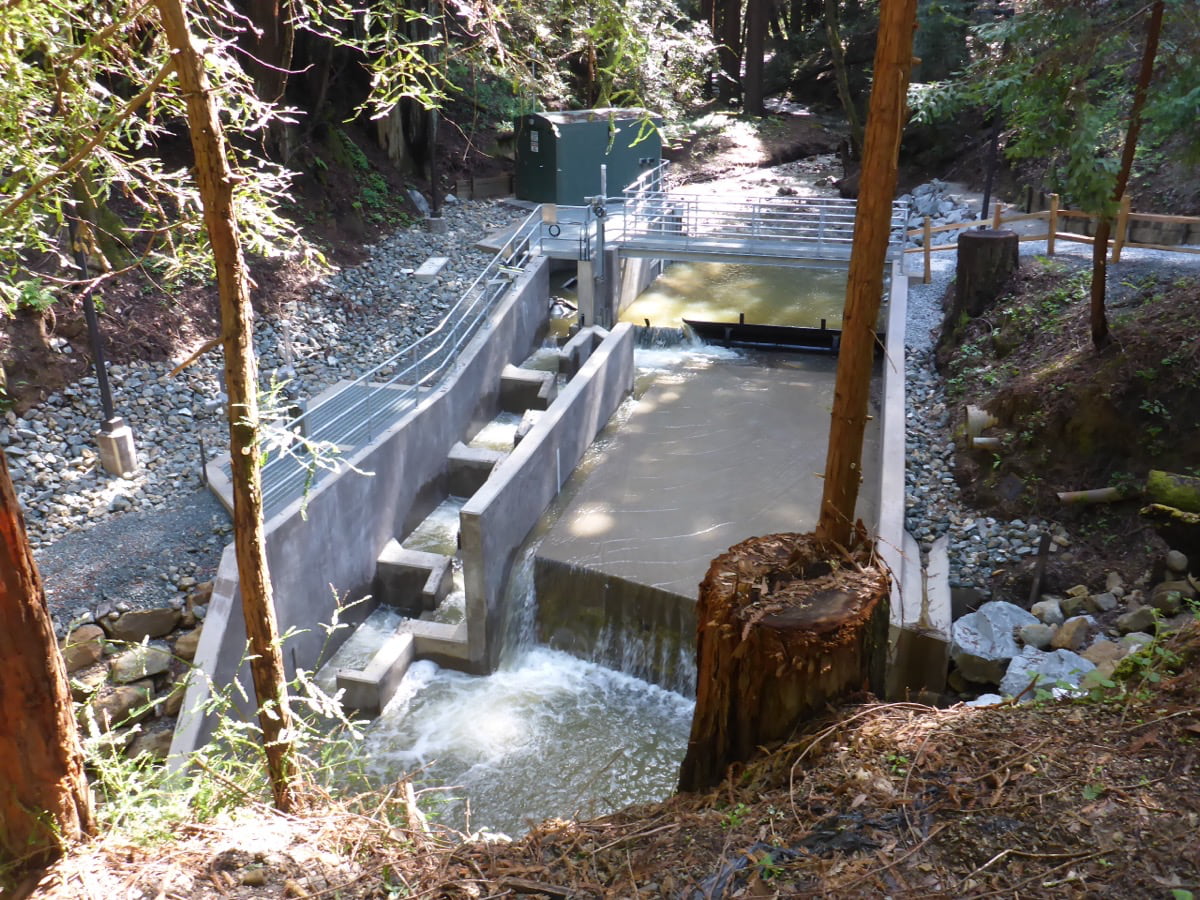
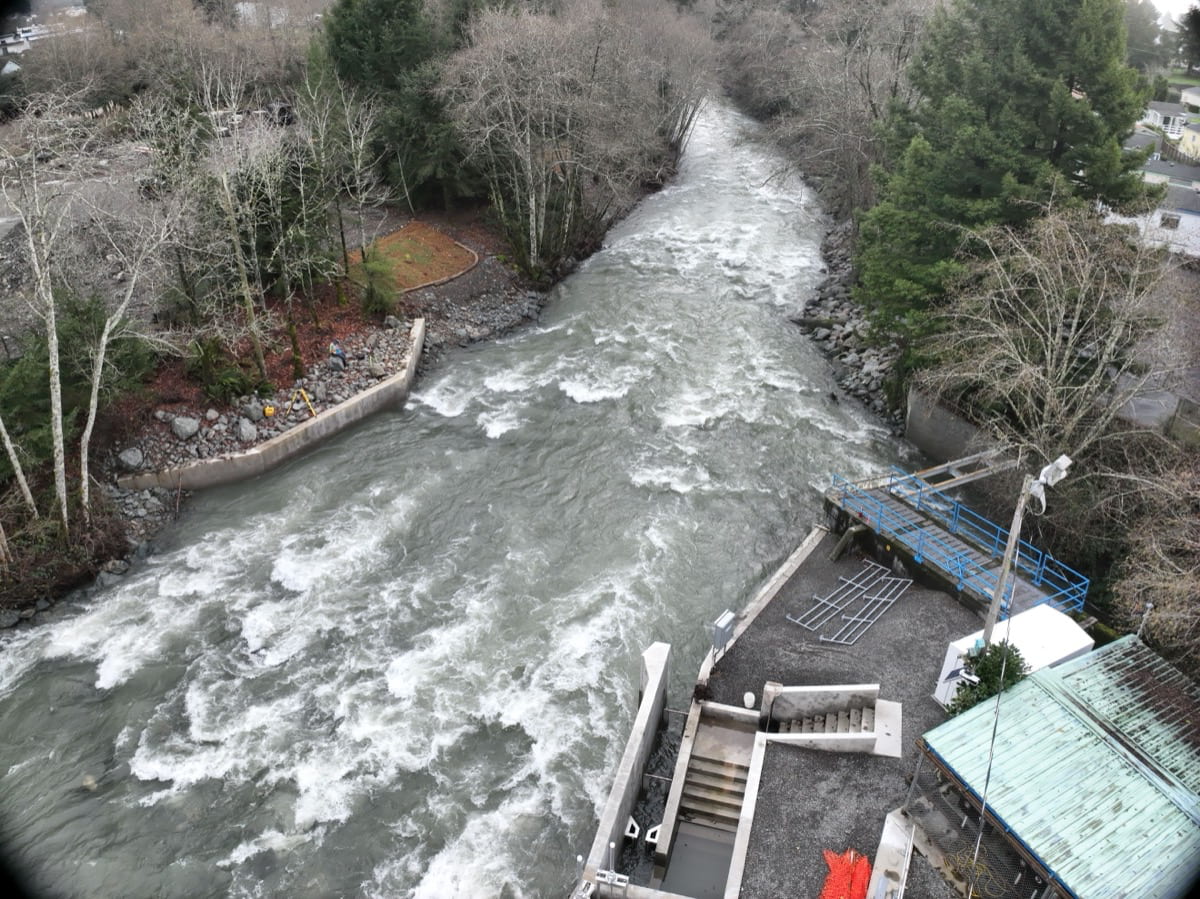
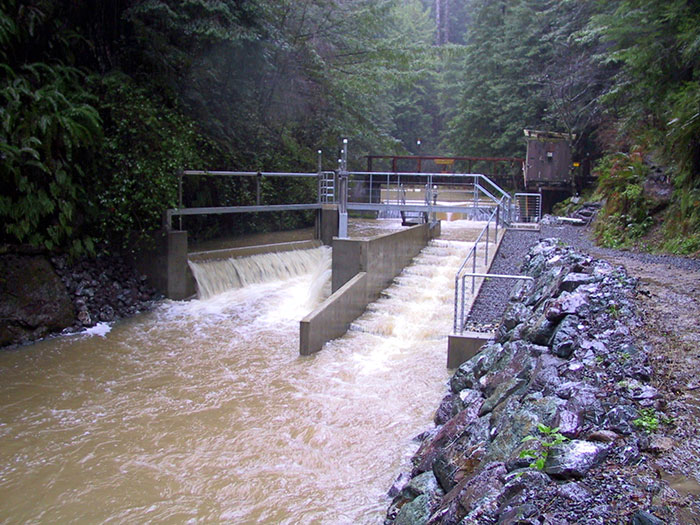
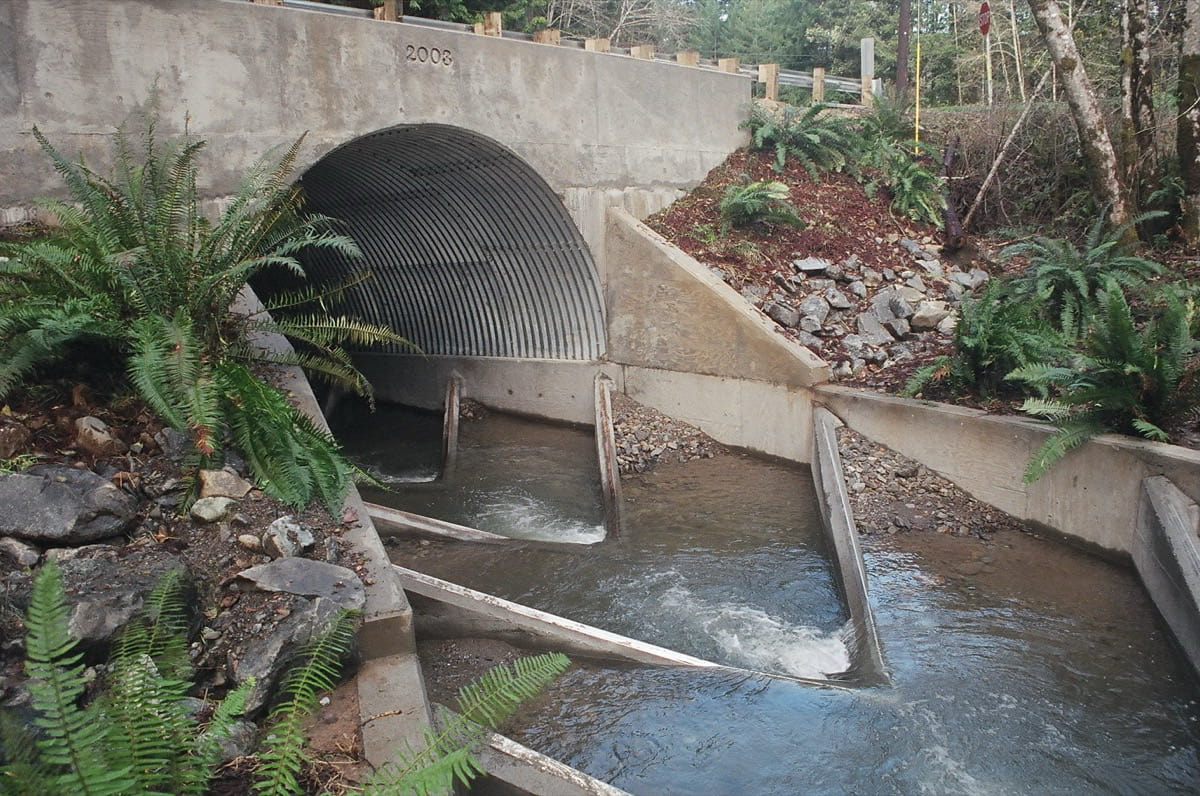
A fishway provides passage for adult and juvenile salmonids while labyrinth weir spillway gates and removable summer weir panels provide accurate flow control to avoid backwatering the upstream flow measurement weir.

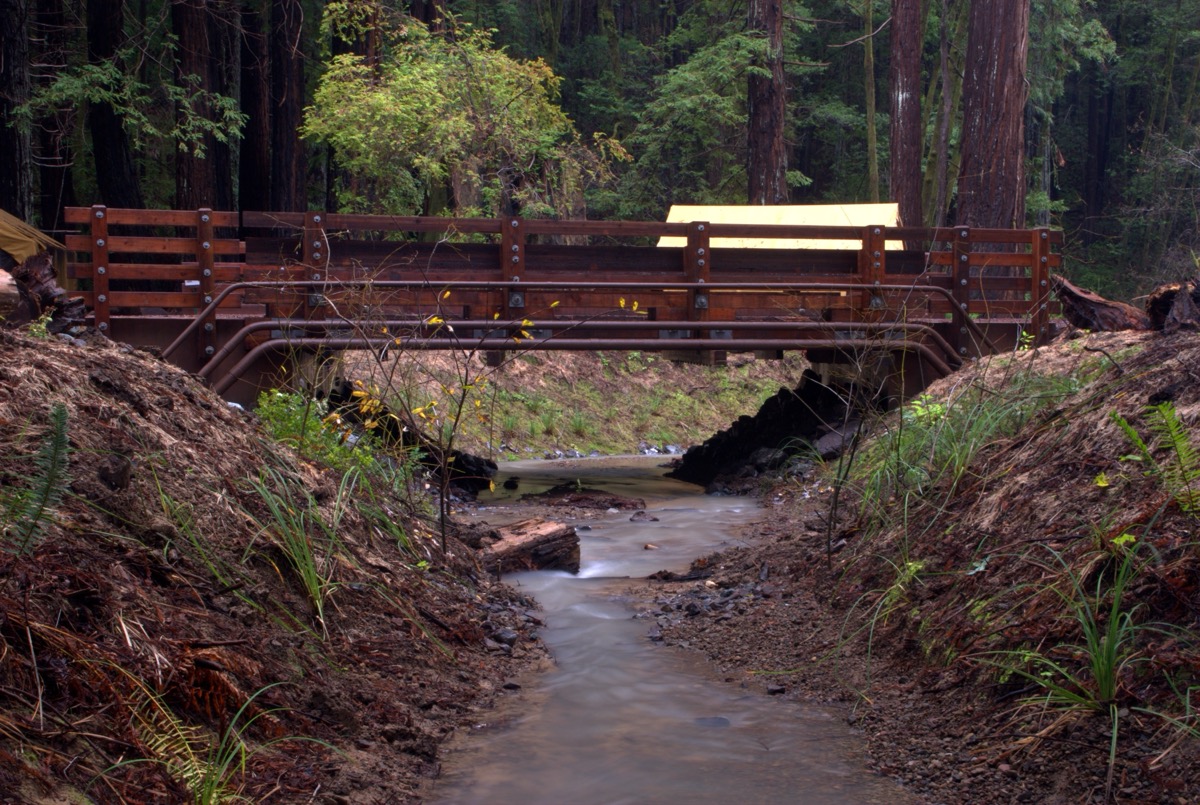
Cedar Creek, Jedediah Smith Redwood State Park, CA
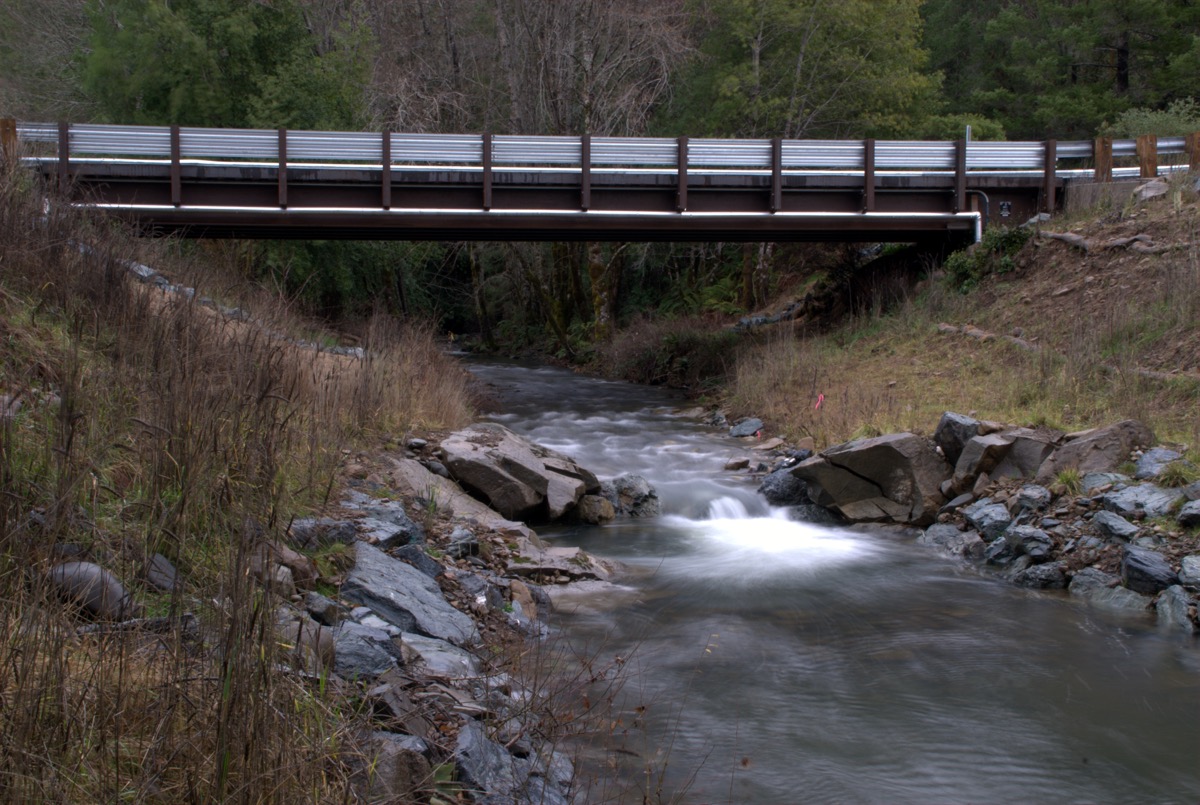
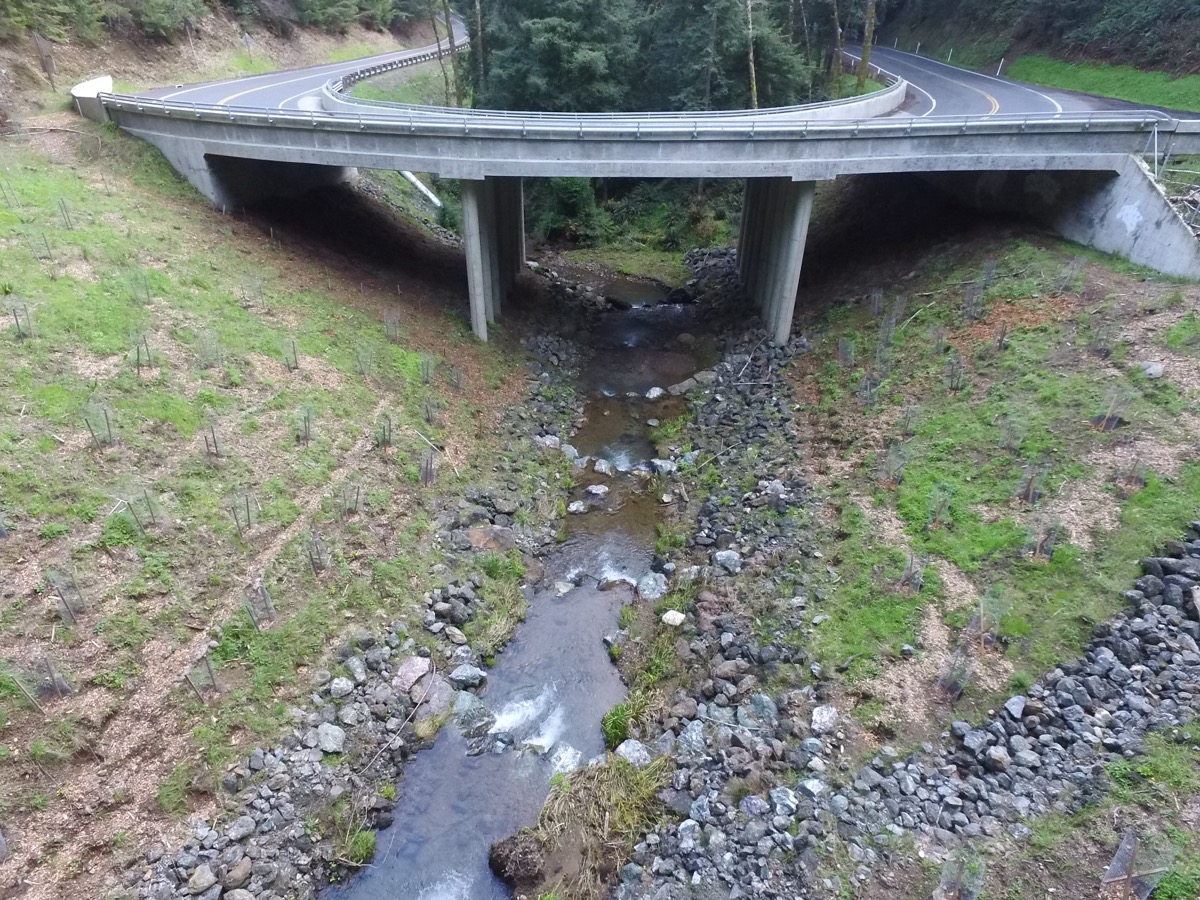
Replacing a barrier culvert with a new bridge to open up a pristine watershed to four salmonid species.
Little Essex Pond, Lindsay Creek, Mad River, CA
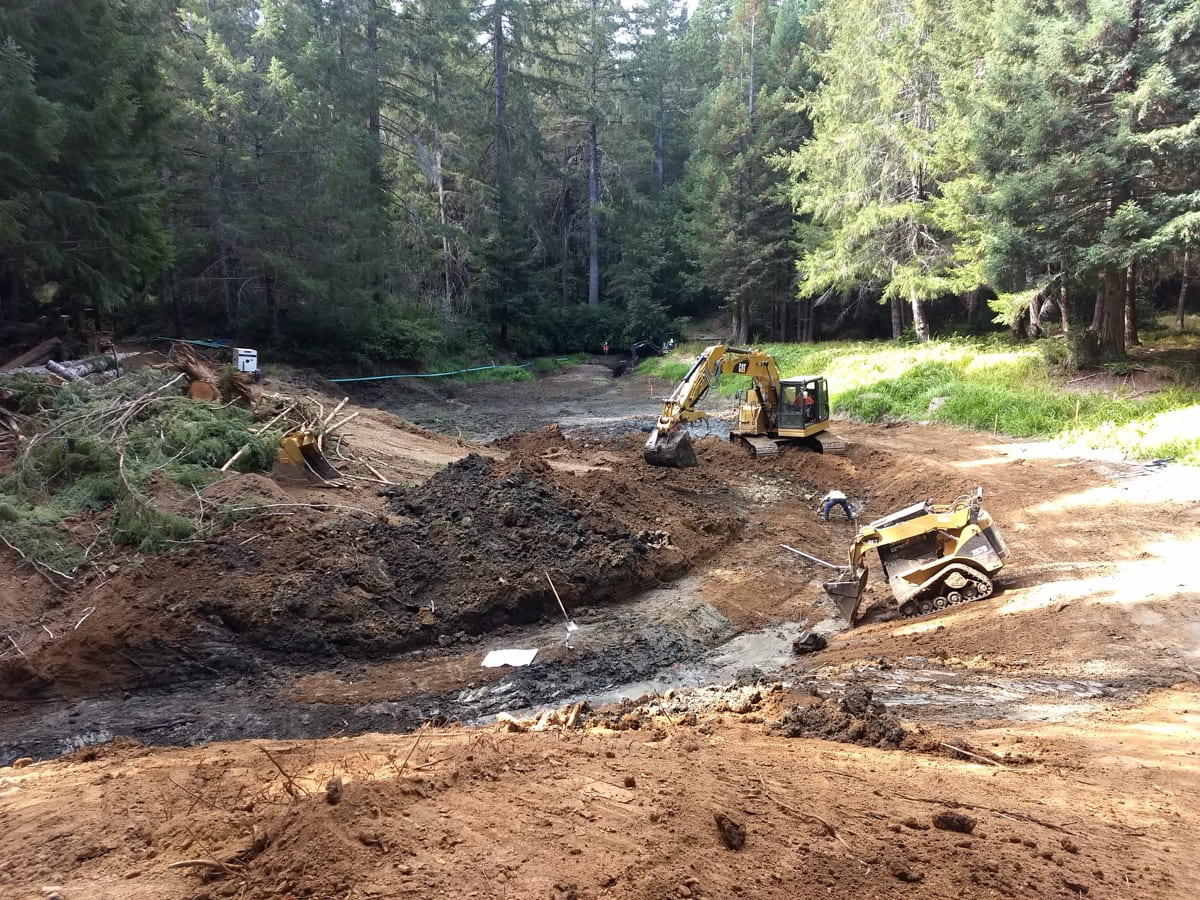
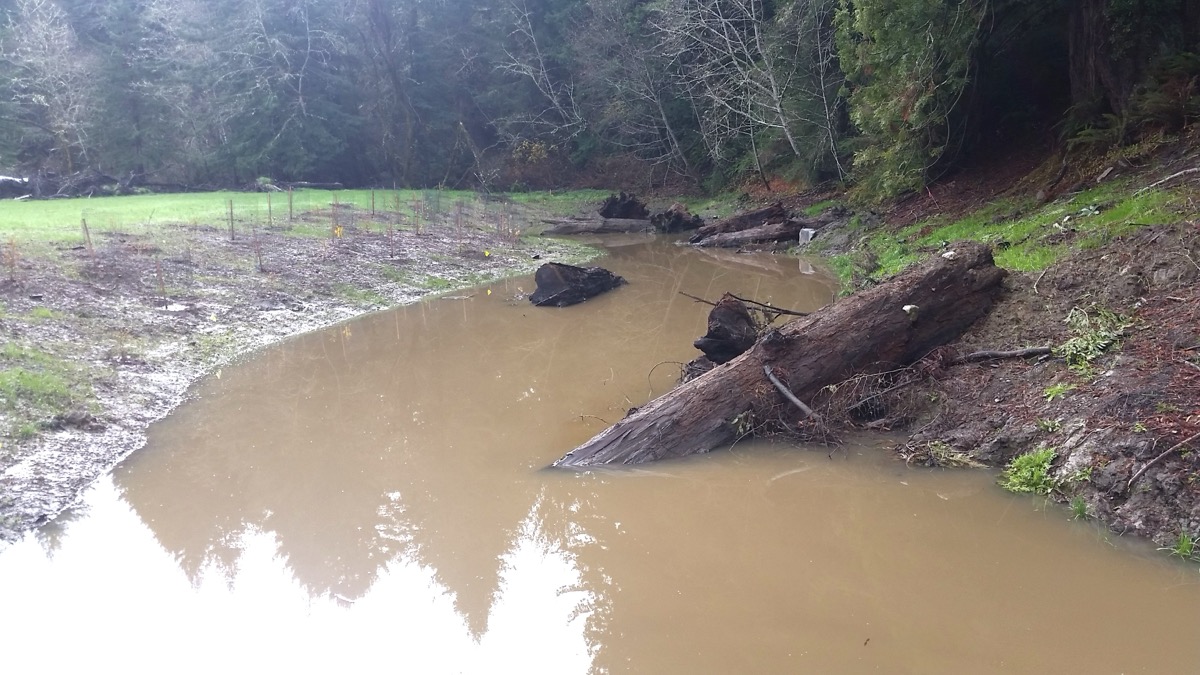
A roughened riffle creates an off-channel pond accessible to rearing coho salmon and migratory waterfowl.

Stuart Creek, Sonoma County, CA
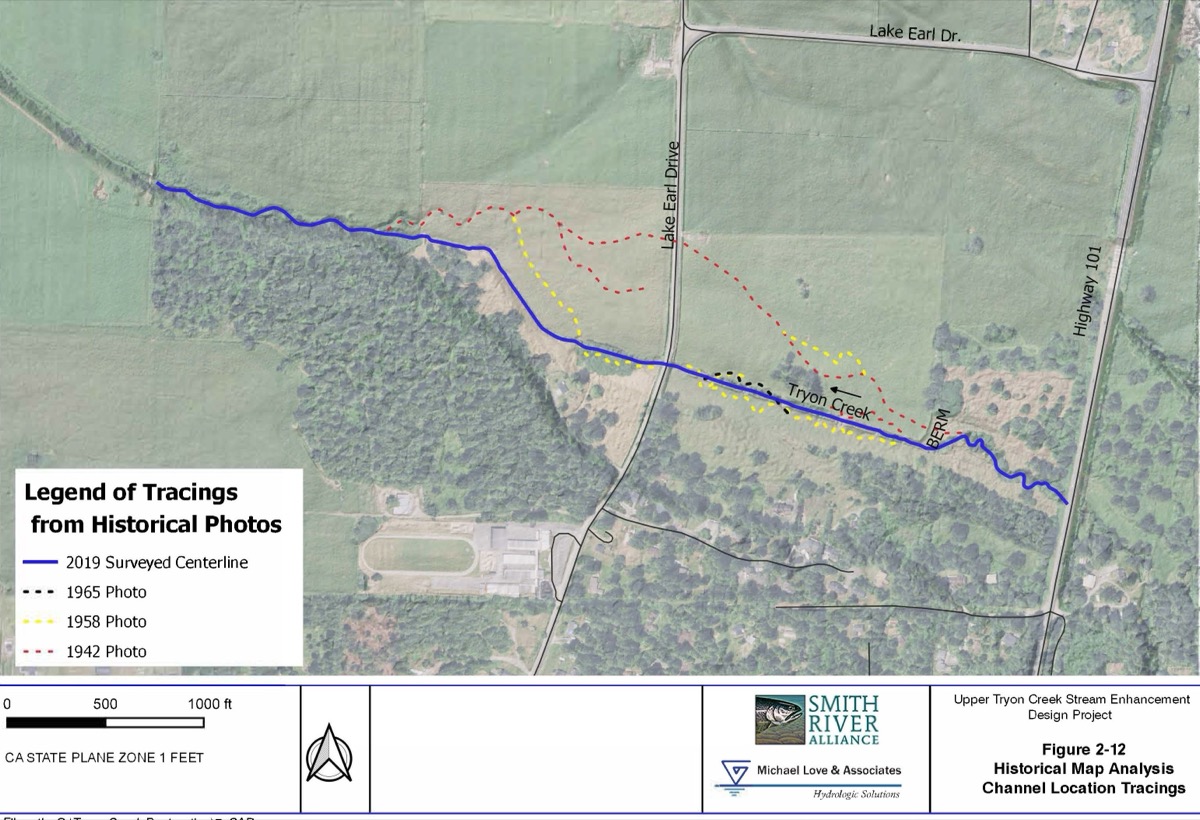
Conceptual restoration plans for realigning and restoring a channelized stream.

FishXing Software and Resources, US Forest Service
Developing and maintaining the internationally recognized fish passage software, User Manual, Resource Library, and Case Studies for the US Forest Service

Clarks Creek, Jedediah Smith Redwoods State Park, CA
A pre-fabricated steel bridge to improve water quality and aquatic organism passage on this low gradient redwood forest stream.

Morrison Gulch, Humboldt Bay, CA
Replacement of a barrier culvert and restoration of the channel provided access to valuable spawning and rearing habitat for these coho salmon.

California Fish Passage Design Workshops since 2001
Fish passage design and assessment workshops throughout California provide engineers and fisheries biologist with tools and resources to address barriers to aquatic organisms.
Little Essex Pond, Lindsay Creek, Mad River, CA
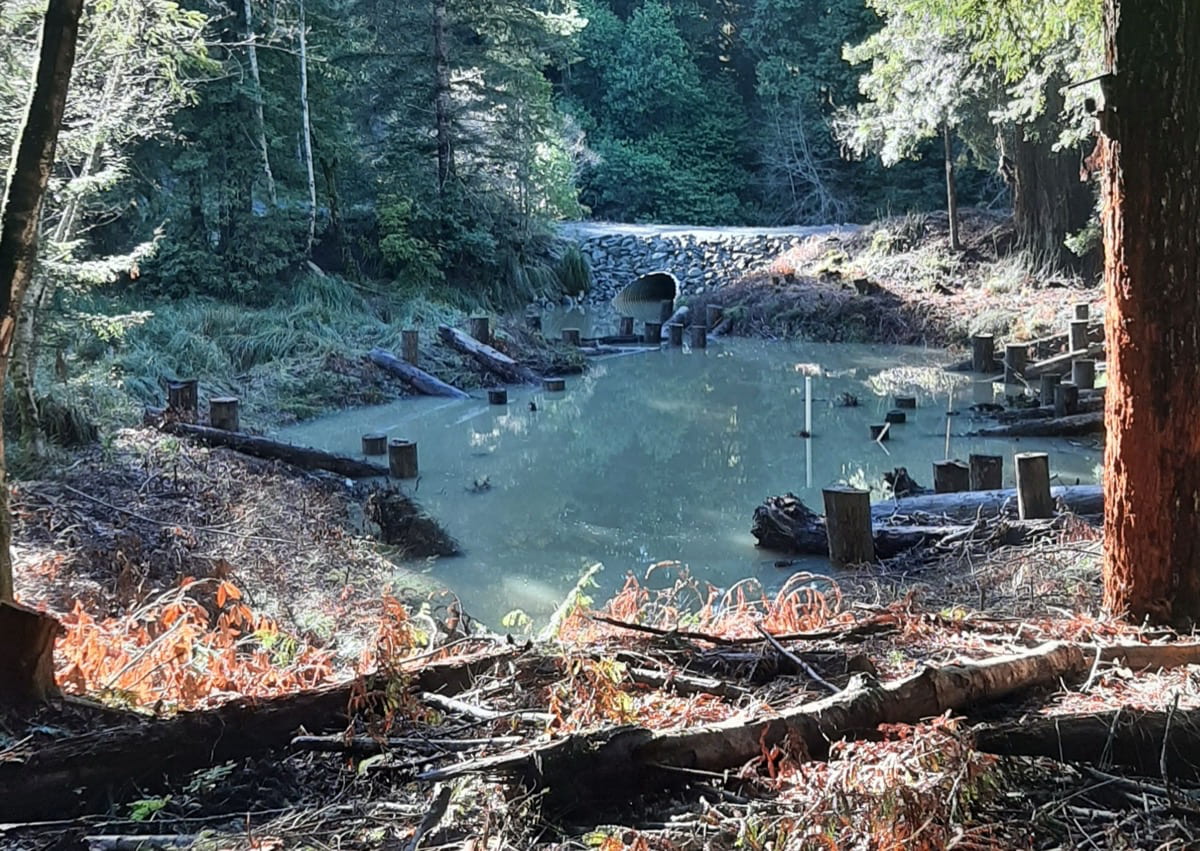
Coho, waterfowl, and ranching coexist with construction of this seasonal pond controlled by a roughened riffle and water control structure.
Tributary to 10 Mile River, Mendocino CA
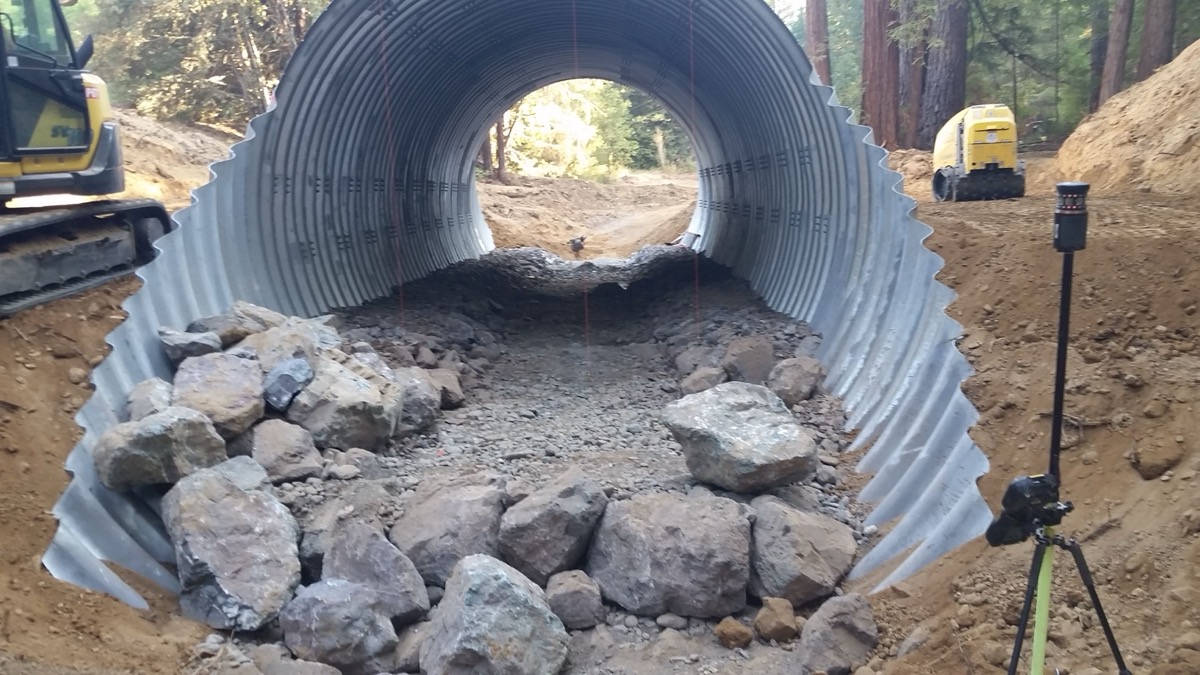
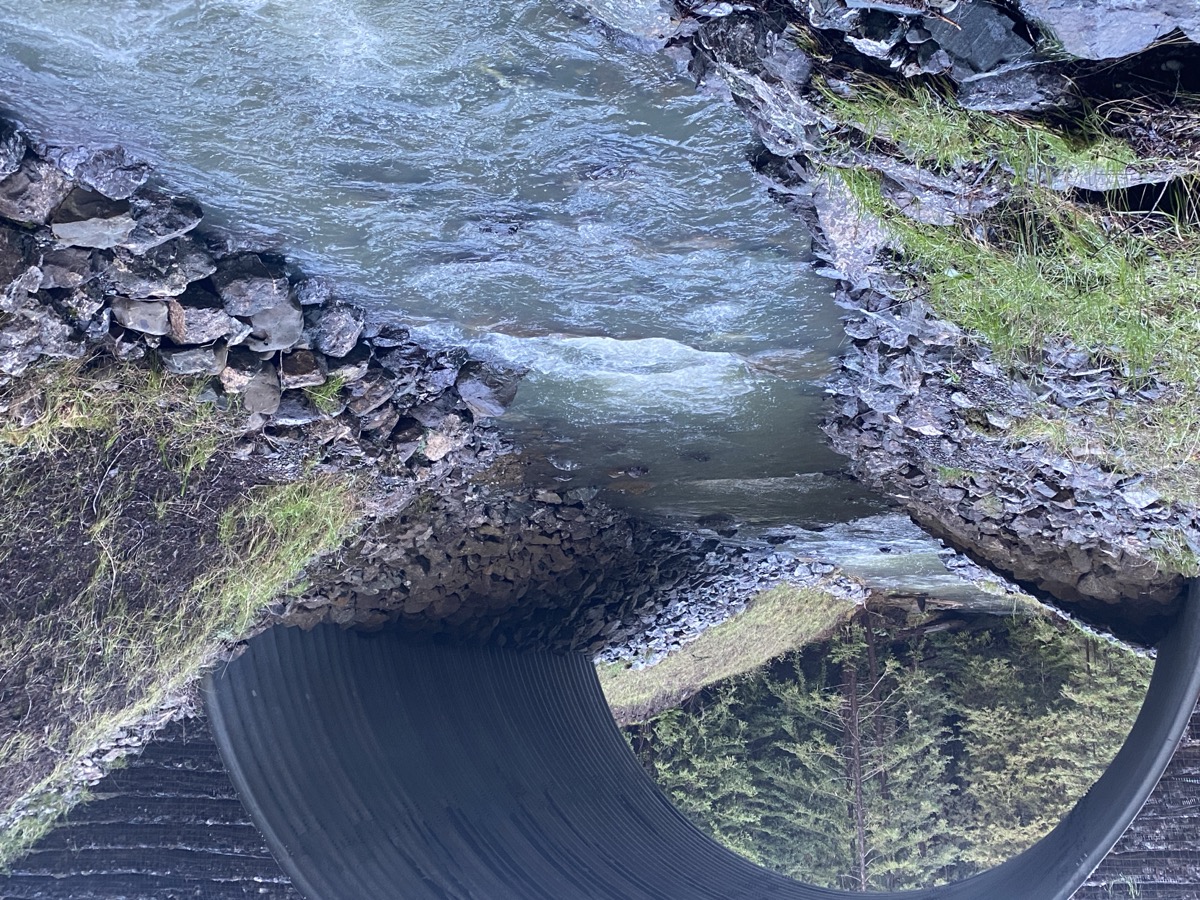
Providing aquatic organism passage using a stream simulation step-pool channel within a new corrugated metal culvert.

Yontocket Slough, Smith River, CA
Developing plans to restore the productivity of this large slough at the mouth of California’s only major undammed river by controlling invasive reed canary grass and restoring access for coho salmon and coastal cutthroat trout.

Big Sulphur Creek, Russian River, CA
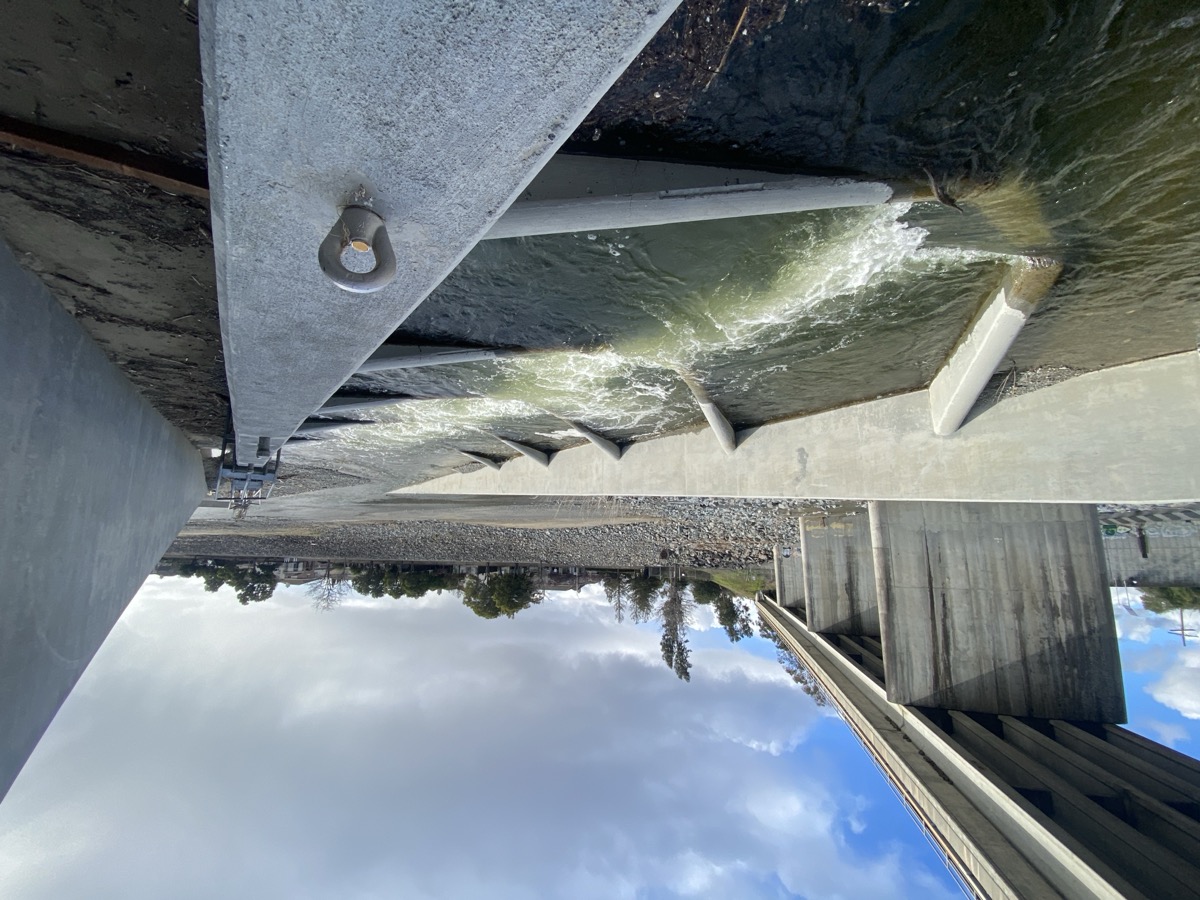
Retrofit of an existing triple-bay box culvert involved lowering the culvert floor and constructing a pool and chute fishway to provide passage for adult and juvenile steelhead trout.

Burke Creek, Lake Tahoe, NV
Planning restoration of a steep meadow stream to provide habitat for Lahontan cutthroat trout and protect water quality of Lake Tahoe.

Martin Slough, Humboldt Bay, CA
Developing restoration designs for diked tidelands to reestablish productive aquatic habitat while accommodating existing land use, including a municipal golf course and cattle pasture.

Fish Passage Research, North Coast, CA
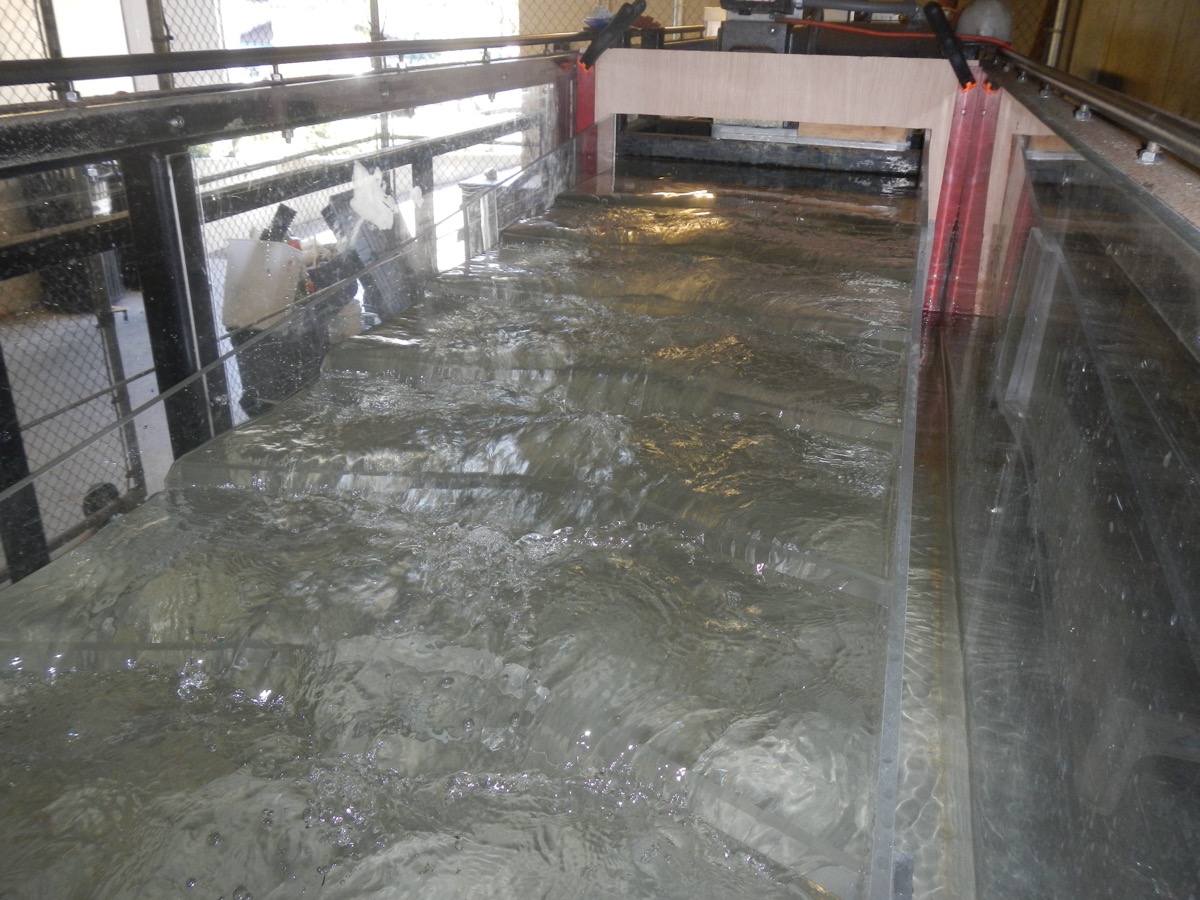
Direct observations of fish passage attempts combined with measurements of corresponding hydraulic conditions over a three-year period supported changes to the National Marine Fisheries Service passage criteria.

Salmon Creek Estuary, South Humboldt Bay, CA
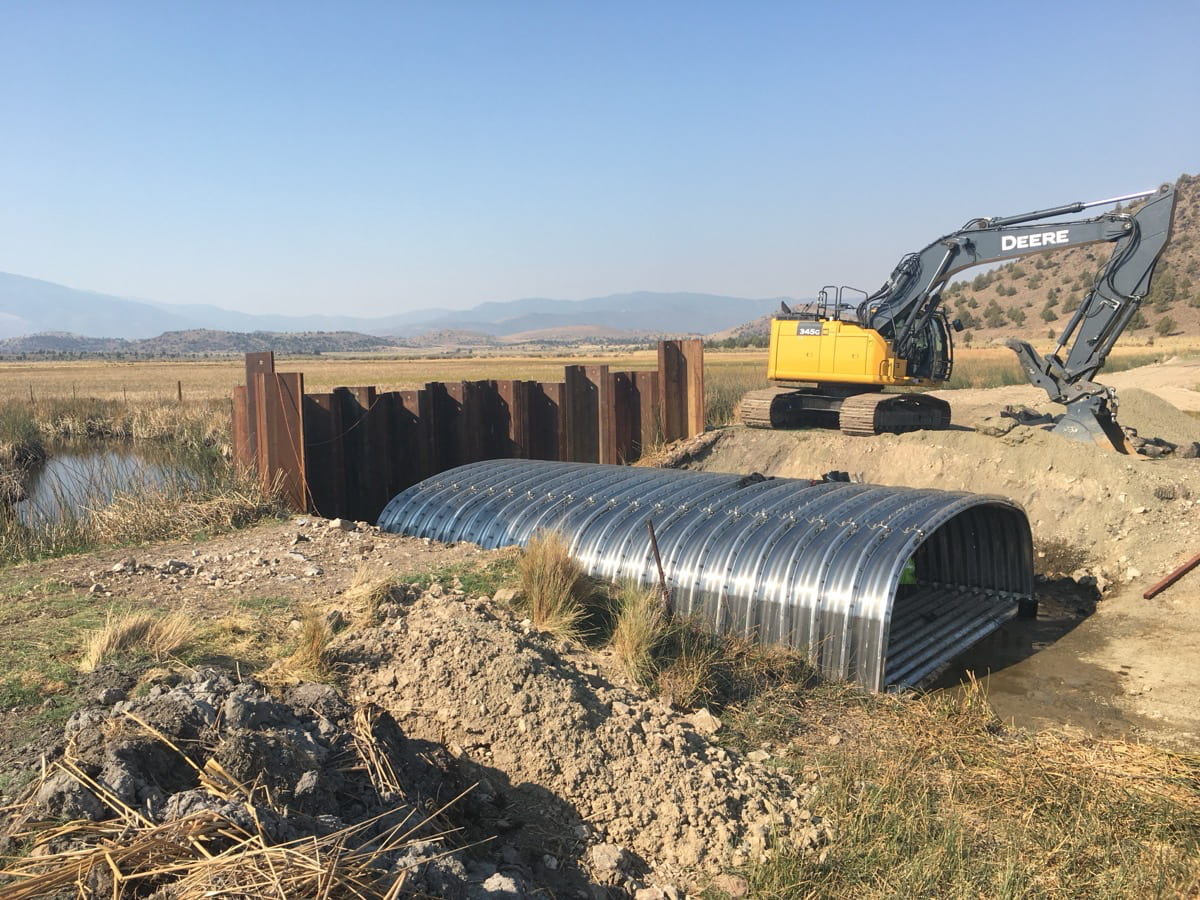
Creating a muted tidal system and constructing new slough channels, salt marsh, and backwater habitats behind existing levees to establish a functioning estuary for a variety of marine and freshwater species.

Strawberry Creek, Redwood National Park, CA
Restoring a once vast wetland ecosystem connected to the Redwood Creek estuary.

Woodacre Creek, Lagunitas Creek, CA
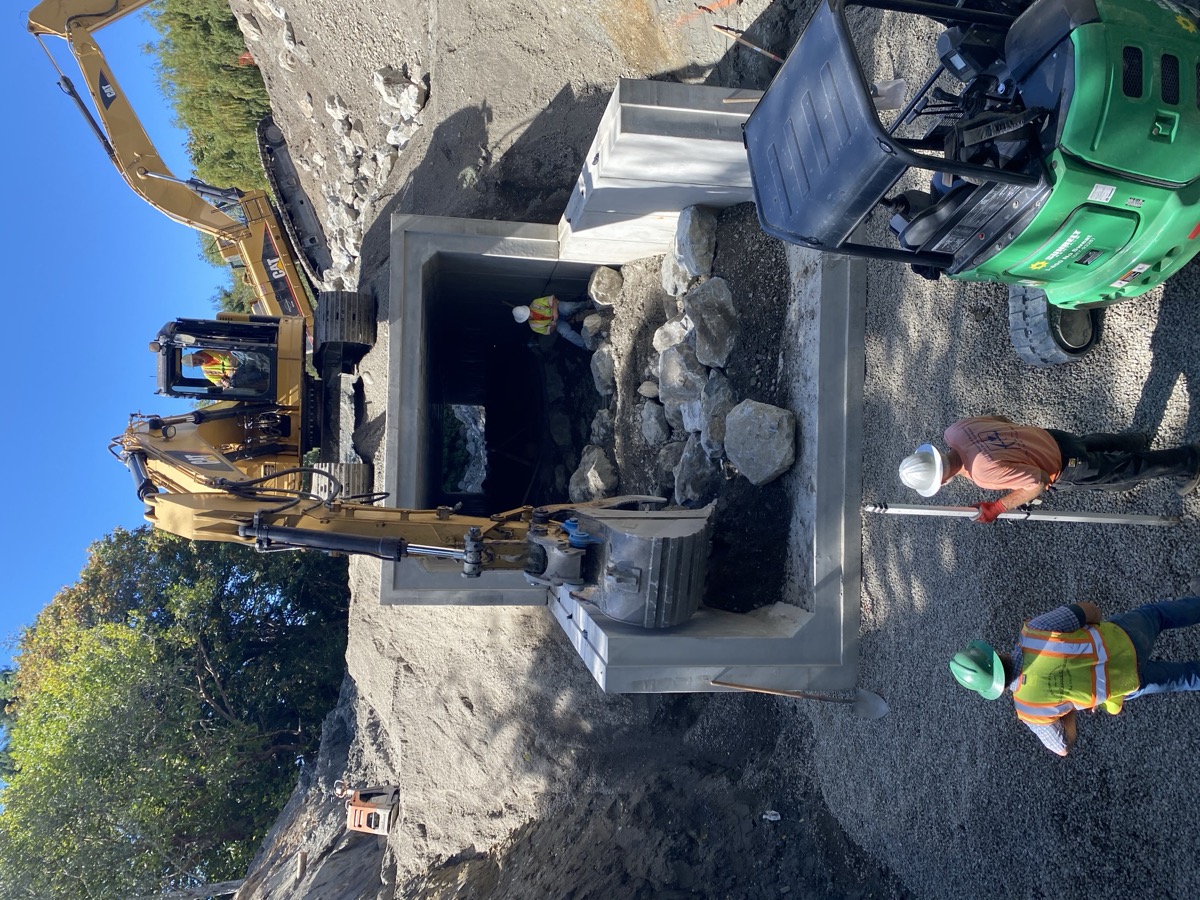
Stream simulation culvert provides aquatic organism passage in one of the most important streams for recovery of endangered Central California coho salmon.

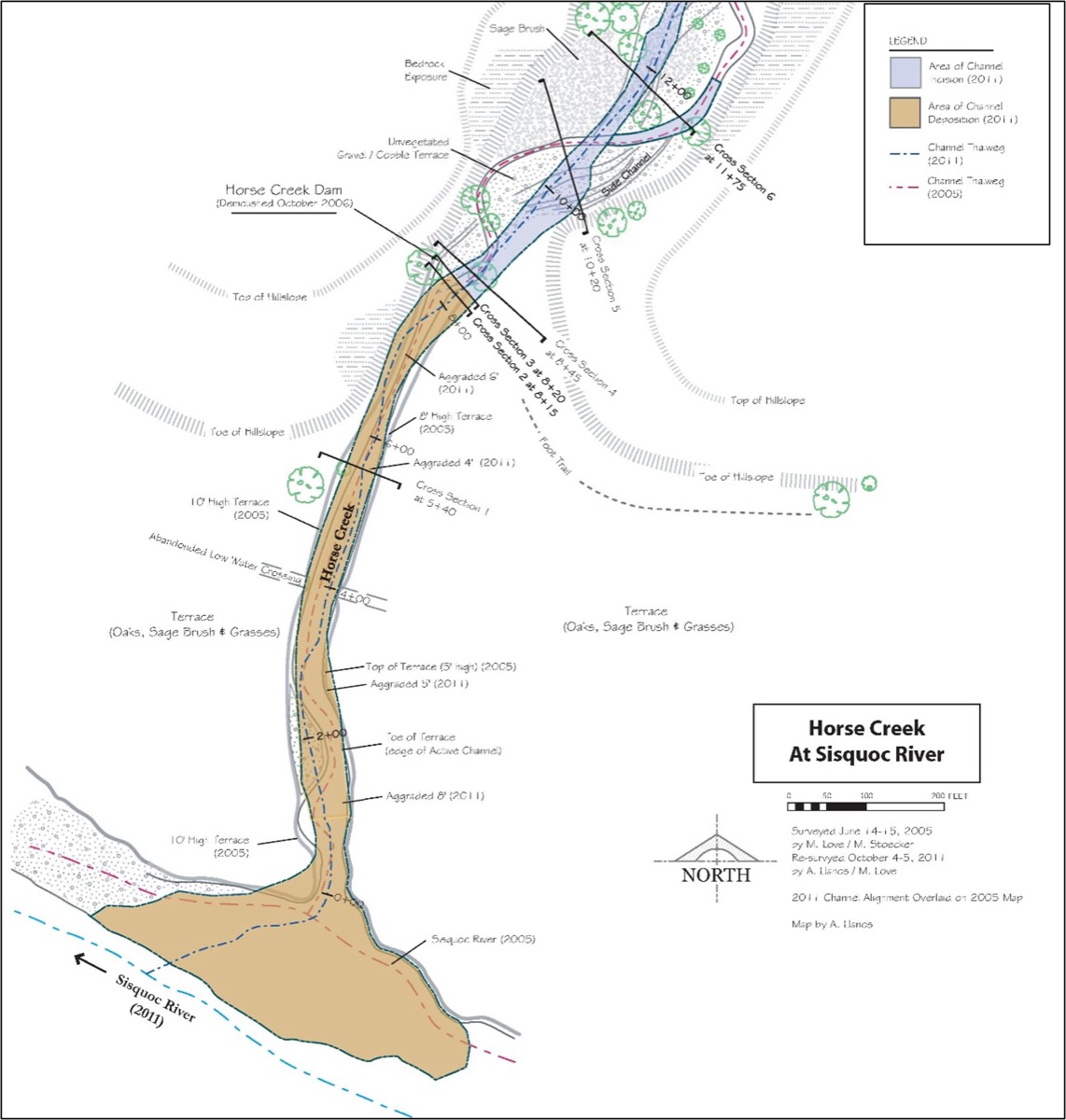
Horse Creek Dam, Sisquoc River, Los Padres National Forest, CA.
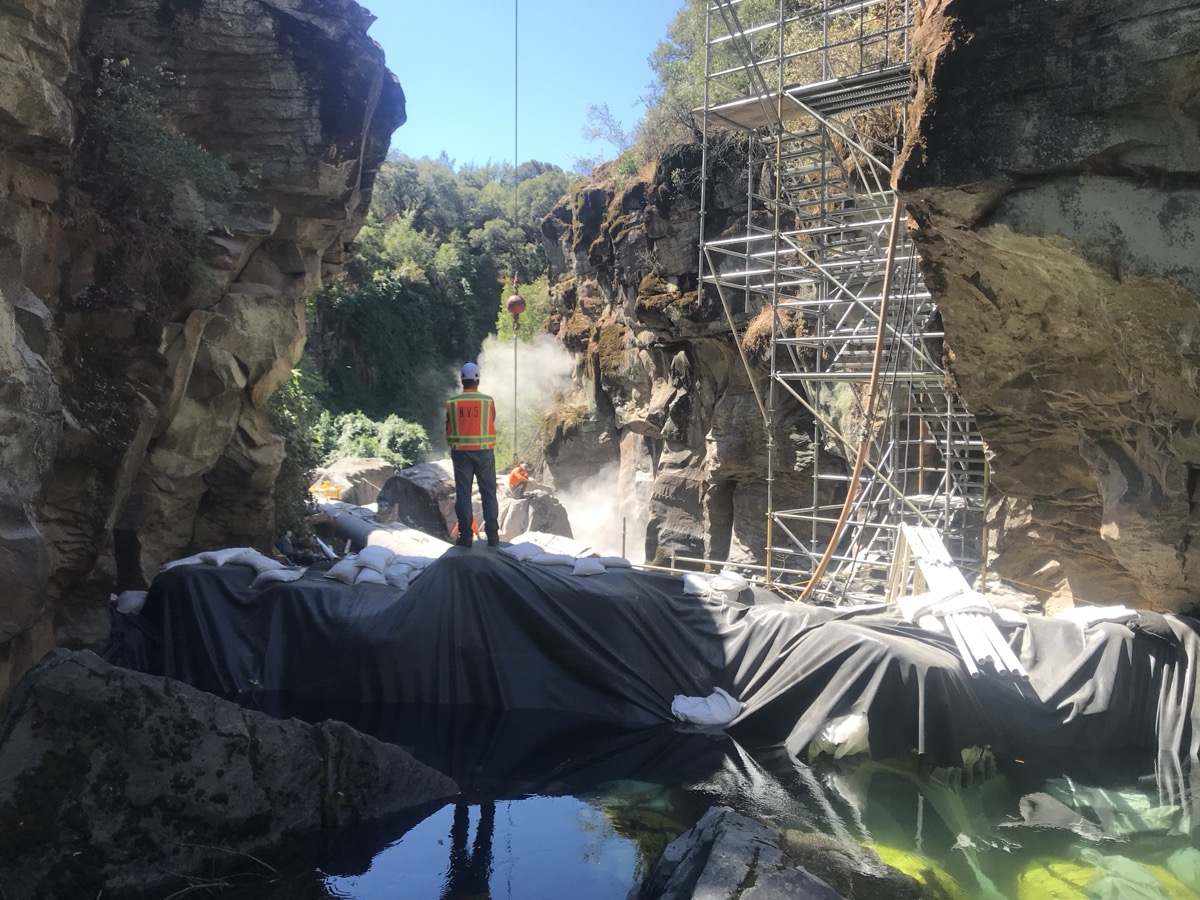
Geomorphic and engineering studies supported removal of this small dam, which blocked southern steelhead from accessing this wilderness stream in a remote corner of Central California.

Corte Madera Creek, San Francisco Bay, CA
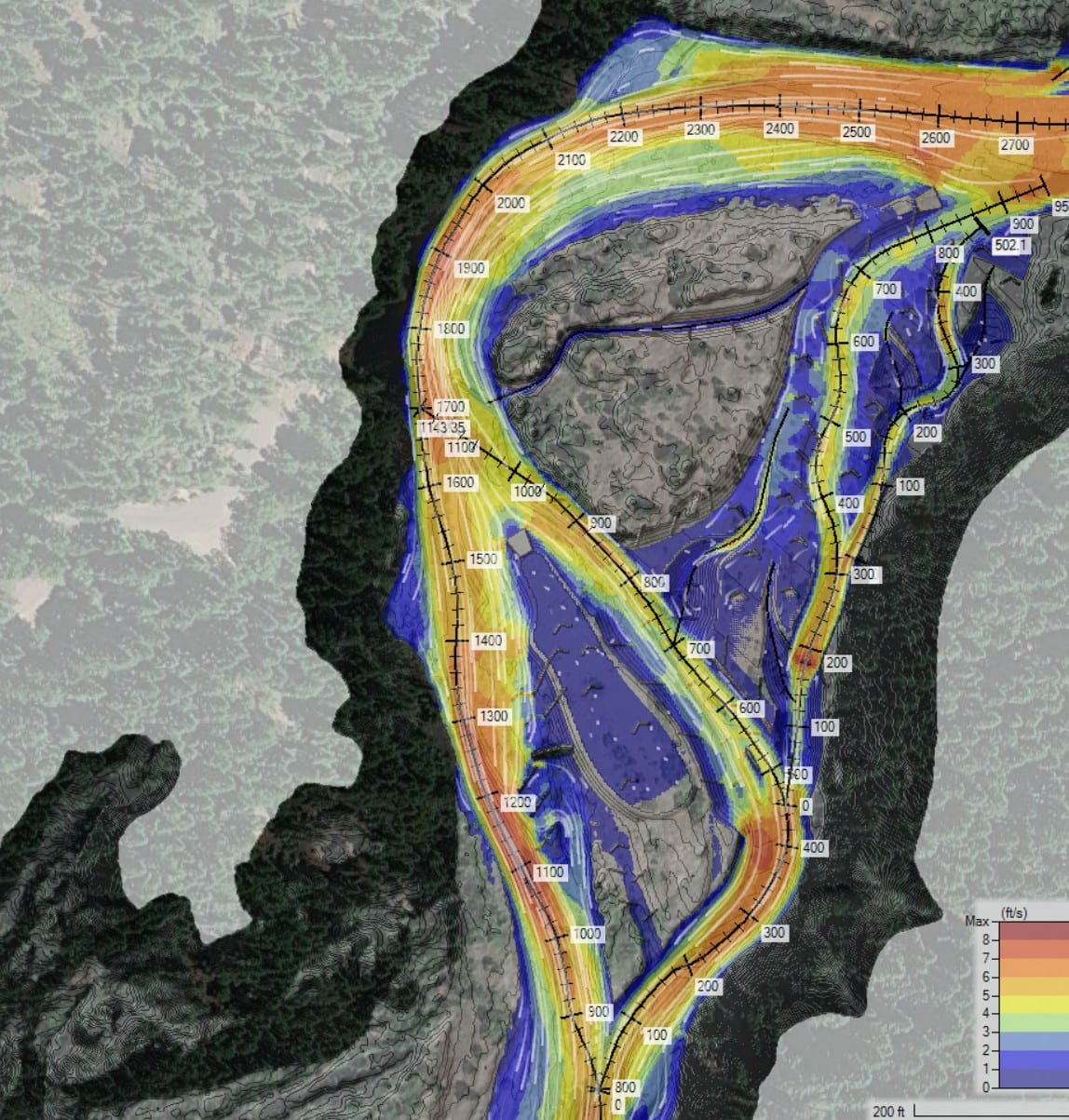
Identifying adult steelhead exhaustion barriers and evaluating effectiveness of incorporating resting pools into a concrete floodway using a population-based fish energetics model integrated with a 2D hydrodynamic model.

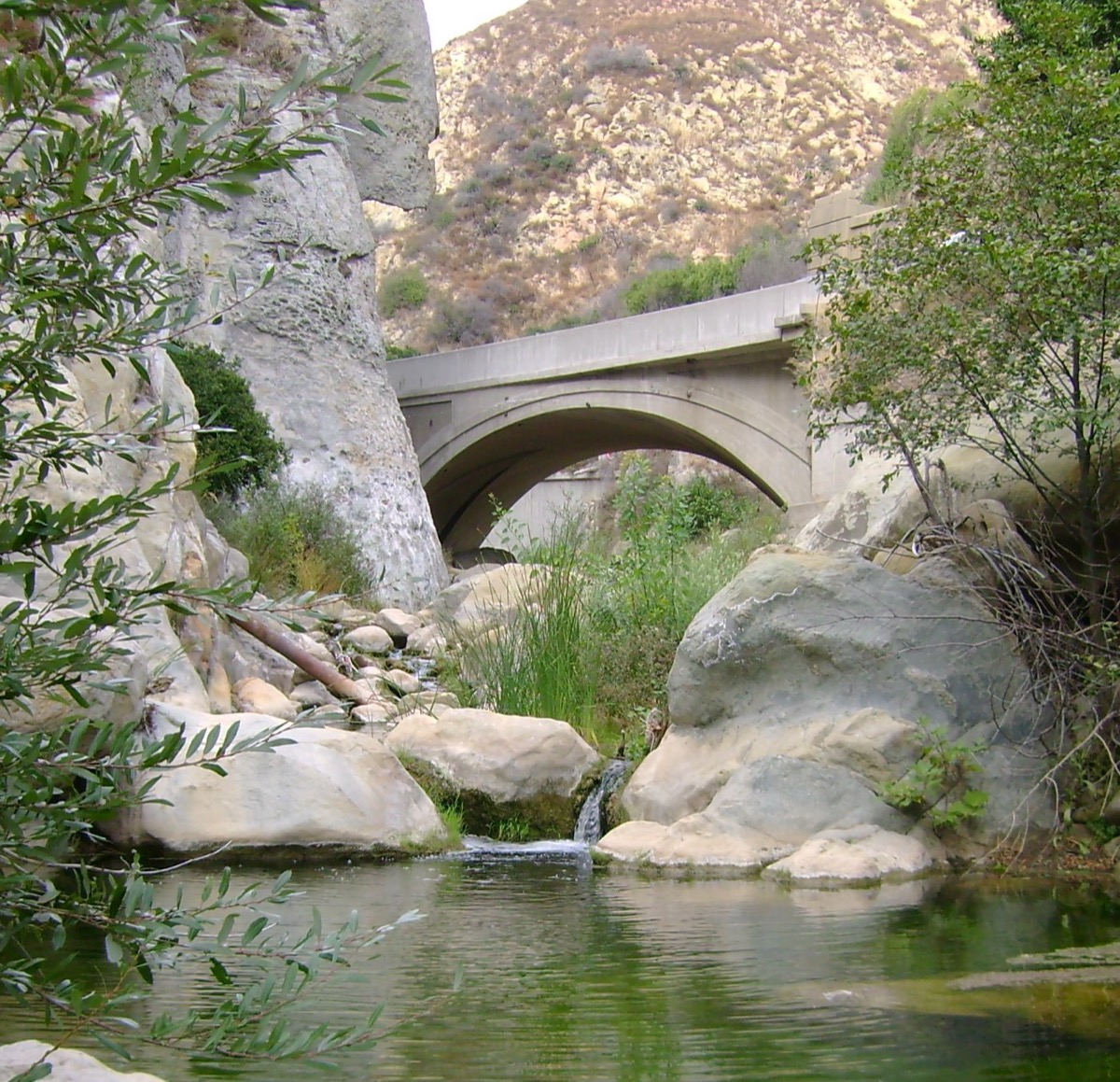
Gaviota Creek at Highway 101, Santa Barbara County, CA
A geomorphic and fish passage assessment of Gaviota Creek adjacent to Highway 101 characterizes channel incision due to channel realignments and describes effect of existing concrete drop structures on the native fisheries.

Aquatic Organism Passage Workshop, Harrisonburg, VA.
Multi-day workshops for the US Forest Service provide hands-on training in assessment and design of road-stream crossings for passage of aquatic organisms.

Peacock Creek, Smith River, CA
A unique and award winning “Vortex Weir Fishway” proved to be an effective solution for providing fish passage over a steep grade while conveying large flows and debris.

Davy Brown Creek, Sisquoc River, Los Padres National Forest, CA
Developing alternatives for improving steelhead passage at low-water road-stream crossings.

Workshop, Anchorage, AK
Fish passage design workshop for the Alaska Department of Fish and Game.

Little Browns Creek, Trinity River, CA
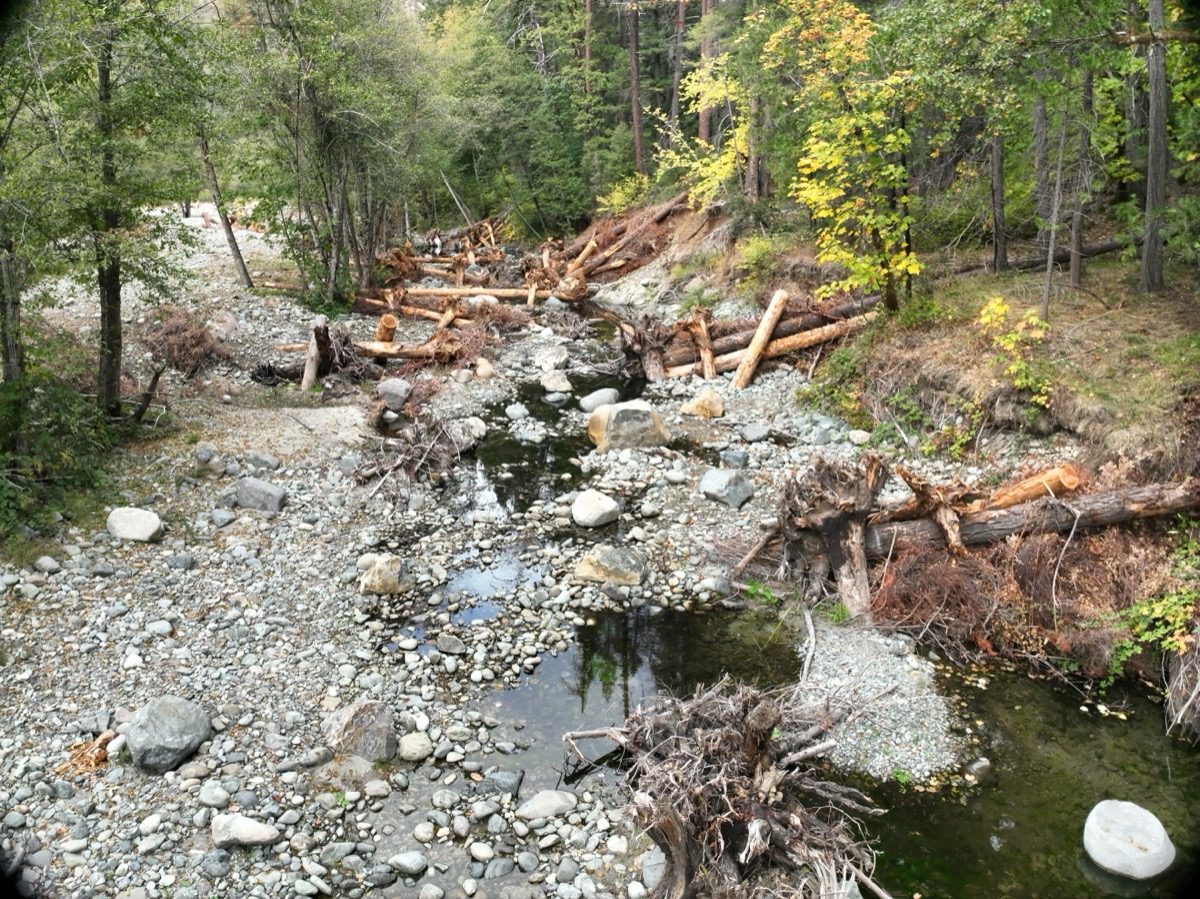
A geomorphic-based roughened channel combined with woody-debris scour structures and bioengineering bank stabilization restores channel stability and function within this historically relocated and placer-mined stream.

San Juan Creek, Orange County, CA
Improving access for endangered Southern California steelhead form the ocean to the perennial canyons streams in the Cleveland National Forest.

Online Fish Passage Case Studies for Advanced Learning
Condensing projects to their useful essence, and emphasizing the application of general principles, the means used to address unique site conditions, and the lessons learned.

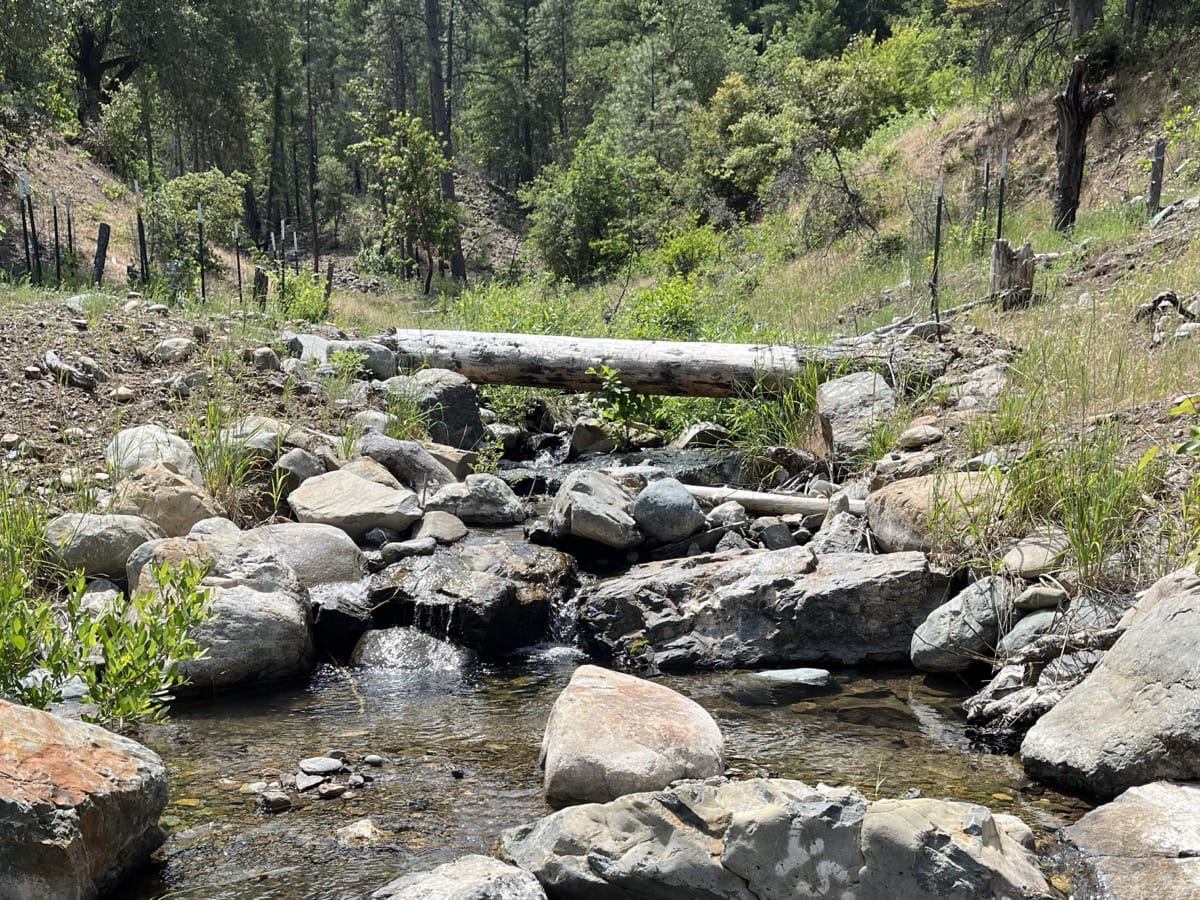
South Fork Janes Creek Dam, Humboldt Bay, CA
Roughened channel provides fish passage over an abandoned dam and into an impounded wetland that provides juvenile coho rearing habitat.

Gaviota Creek, Santa Barbara County, CA
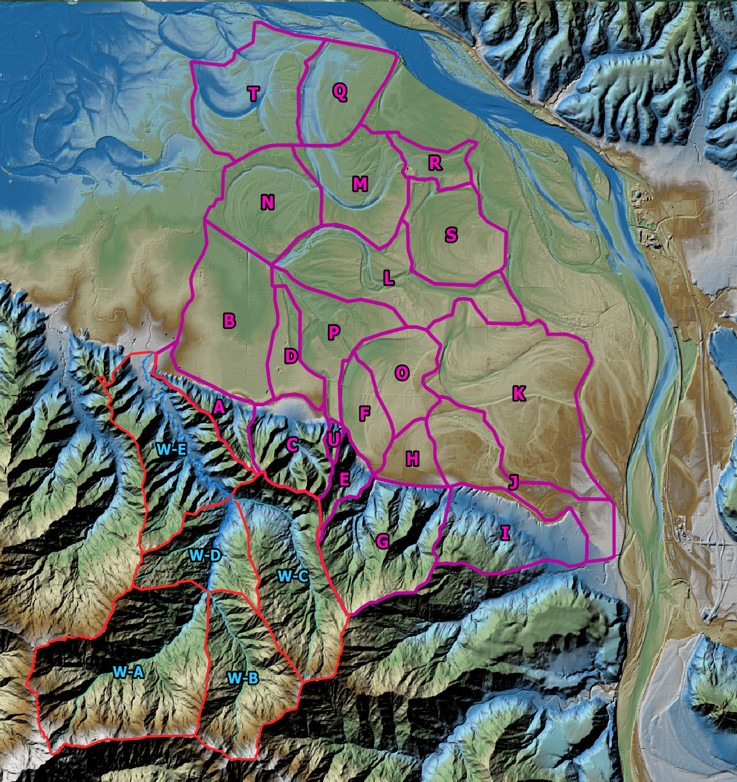
Geomorphic mapping of Gaviota Creek to identify restoration opportunities in this potential stronghold for endangered Southern California Steelhead.

Widow White Creek, Mad River Mckinleyville, CA
Boulder step pools installed downstream of a box culvert in an urban watershed improve fish passage and provide habitat for coho salmon, steelhead, and coastal cutthroat trout.

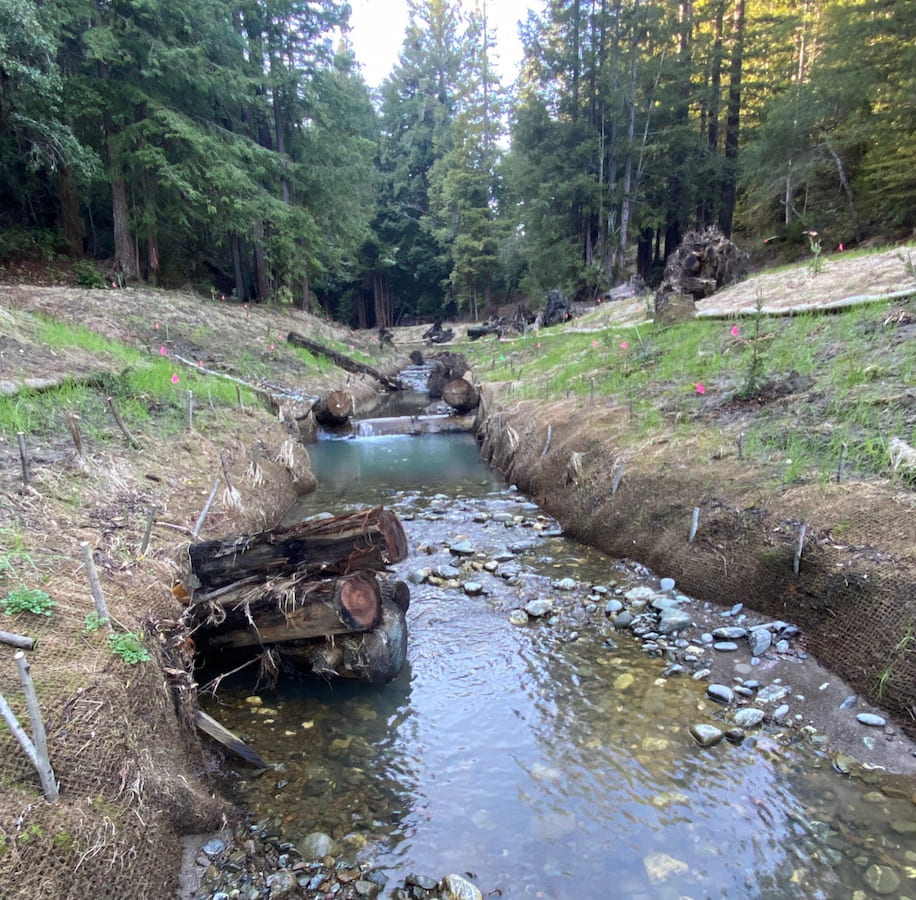
Morrison Gulch, Humboldt Bay, CA
A geomorphic-based roughened channel constructed of rock and large wood protects the upstream channel from incision and resulting instability while providing fish passage.

West Union Creek, Tributary to San Francisco Bay, CA
A stream simulation culvert replacement restores aquatic organism passage within this redwood forest stream in San Mateo County.

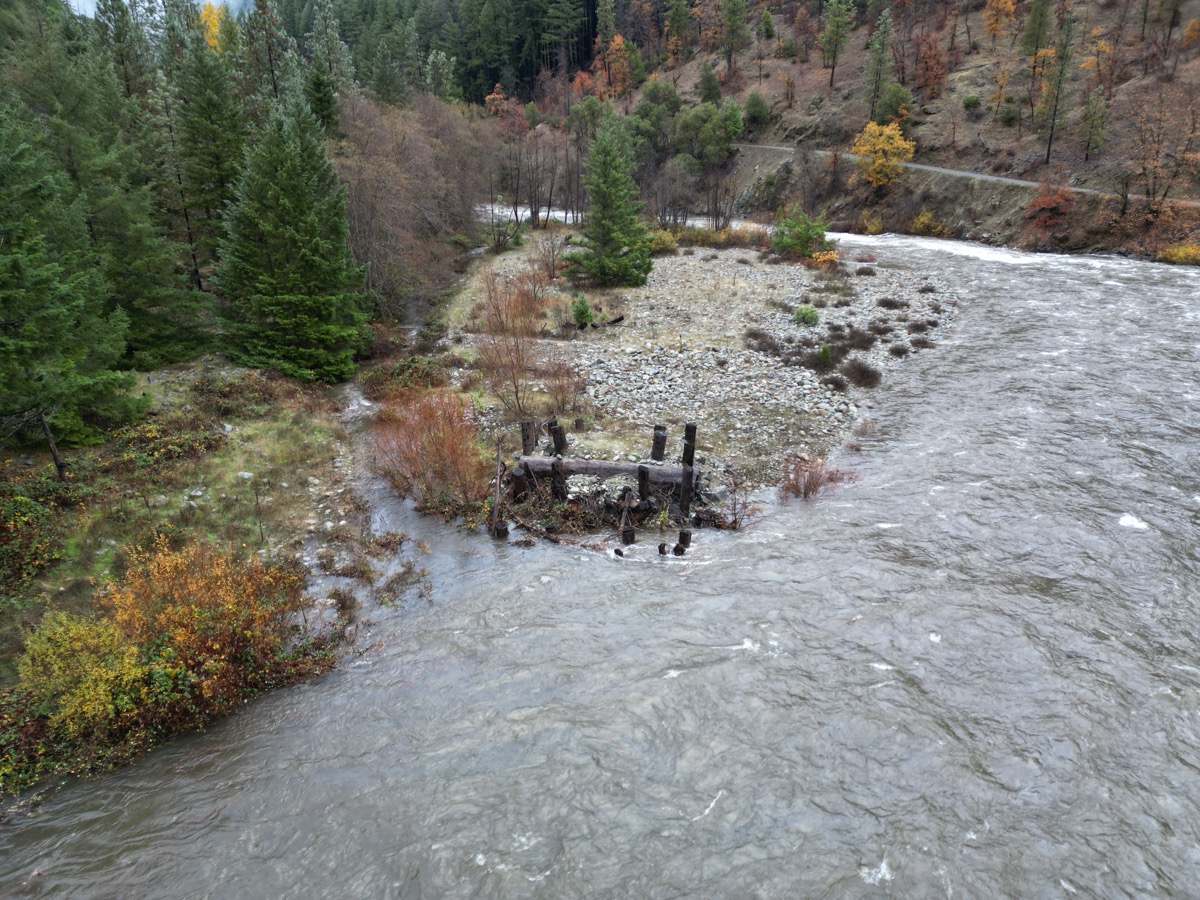
Salmon Creek, Humboldt Bay National Wildlife Refuge, CA
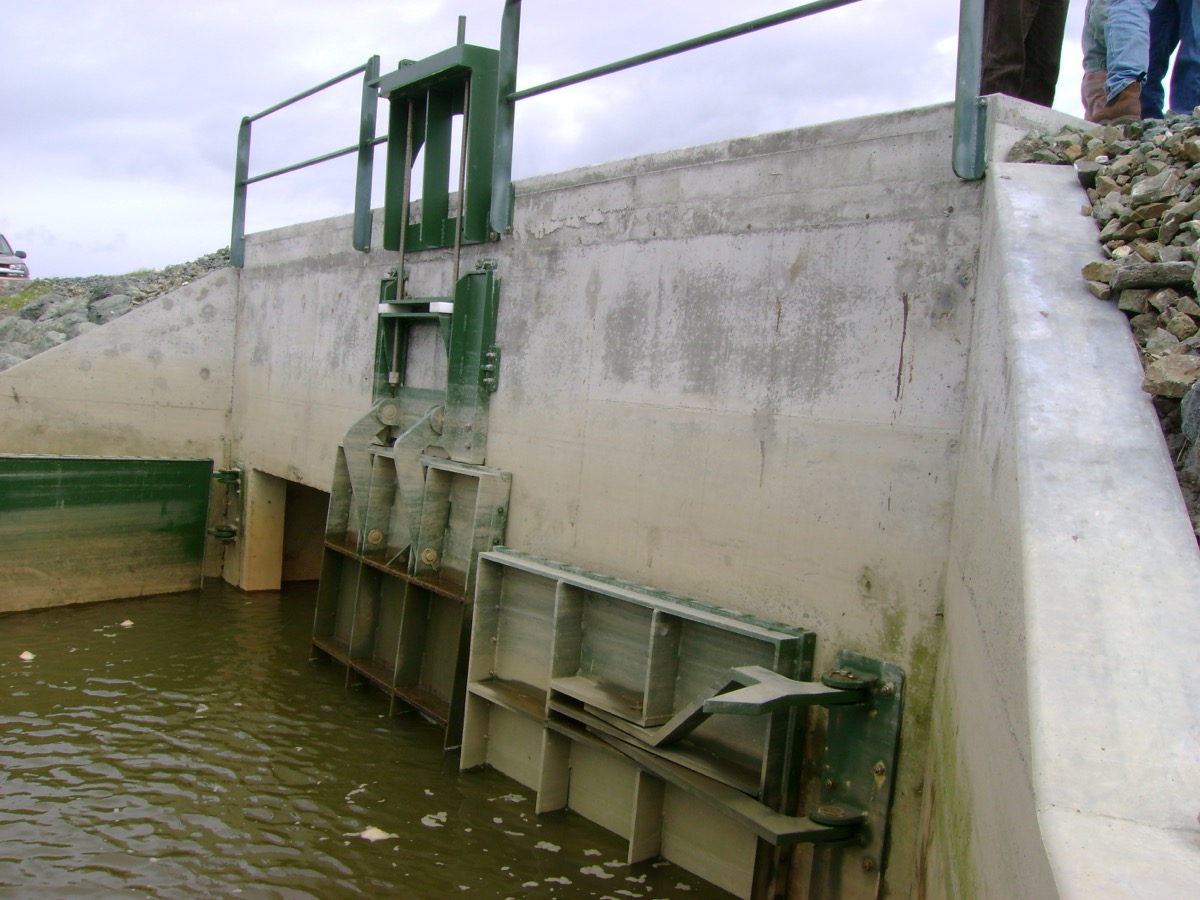
Geomorphic monitoring of a widening slough channel following construction of new self-regulating muted tide gates.

Stonybrook Creek Canyon, Tributary to Alameda Creek, CA
Restoring fish access and habitat in Stonybrook Creek as part of reestablishing steelhead runs to the Alameda Creek Basin.

Woodacre Creek, Lagunitas Creek, CA
Stream simulation culvert provides aquatic organism passage in one of the most important streams for recovery of endangered Central California coho salmon.